
The final decision that determined whether Brazil is spelled with an “S” or a “Z”
By Rafael Soares Gonçalves, historian and professor at PUC-Rio; Celso Sanchez, biologist and professor at UNIRIO
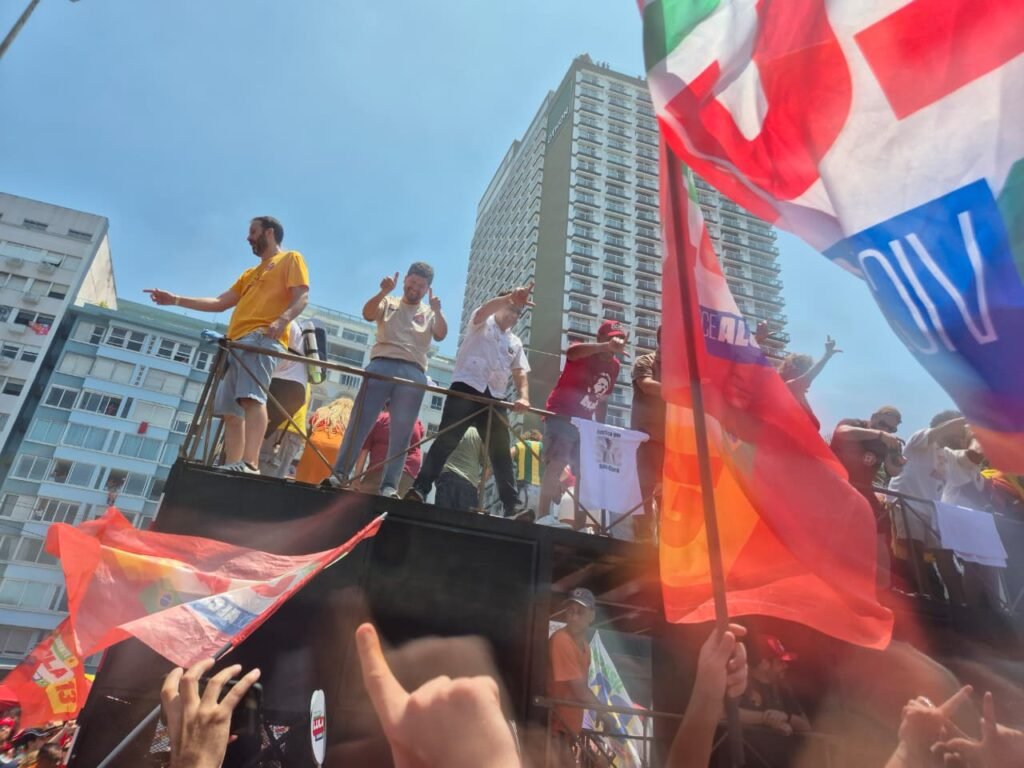
Brazil is spelled with an S in Portuguese and with a Z in English. The important composer and psychiatrist Aldir Blanc wrote a samba that became famous in the voice of the renowned Brazilian singer Elis Regina. In the song, it says: “Brazil with a Z does not know Brazil with an S; Brazil with a Z is killing Brazil with an S; SOS from Brazil with an S to Brazil with an S!” In these verses, different visions for the country are in dispute, revealing not exactly a polarization, but the denunciation of the imposition of a neocolonial project that reproduces the colonizing drive, disguising caravels as multinational corporations and, in the more recent context of global geopolitics, also taking shape in the struggle over rare earths.
The suspicion that intelligence services from other countries were involved in the operation to help defeated candidate Flávio Bolsonaro escape is serious. It raises a major question about the future of Brazil’s diplomatic relations with countries such as Argentina, Ecuador, and the United States. Flávio fled even though there was no arrest warrant against him. He used his dual citizenship to leave the country clandestinely across the Argentine border and board a flight to the United States. The structure and resources required for this escape suggest that it had been planned for a long time and that the Federal Police’s decision to retain the defeated candidate’s passport was by no means mistaken.
The immense popular mobilization that filled the streets and social media turned Brazil’s presidential elections into one of the most extraordinary moments in the country’s recent history since its return to democracy in 1985. This mobilization took on an international dimension and has inspired demonstrations in different parts of the world, while also prompting significant activity in the U.S. elections, particularly among the Brazilian community abroad. With a centralized strategy for online organizing, led by Representative André Janones, who brought an impressive 10.5 million people together in a WhatsApp group, the so-called Lula Army has seen its digital guerrilla tactics replicated in the current Spanish and French elections, as well as gaining momentum in Argentina and among Colombian resistance movements against the regression represented by Abelardo’s disastrous government.
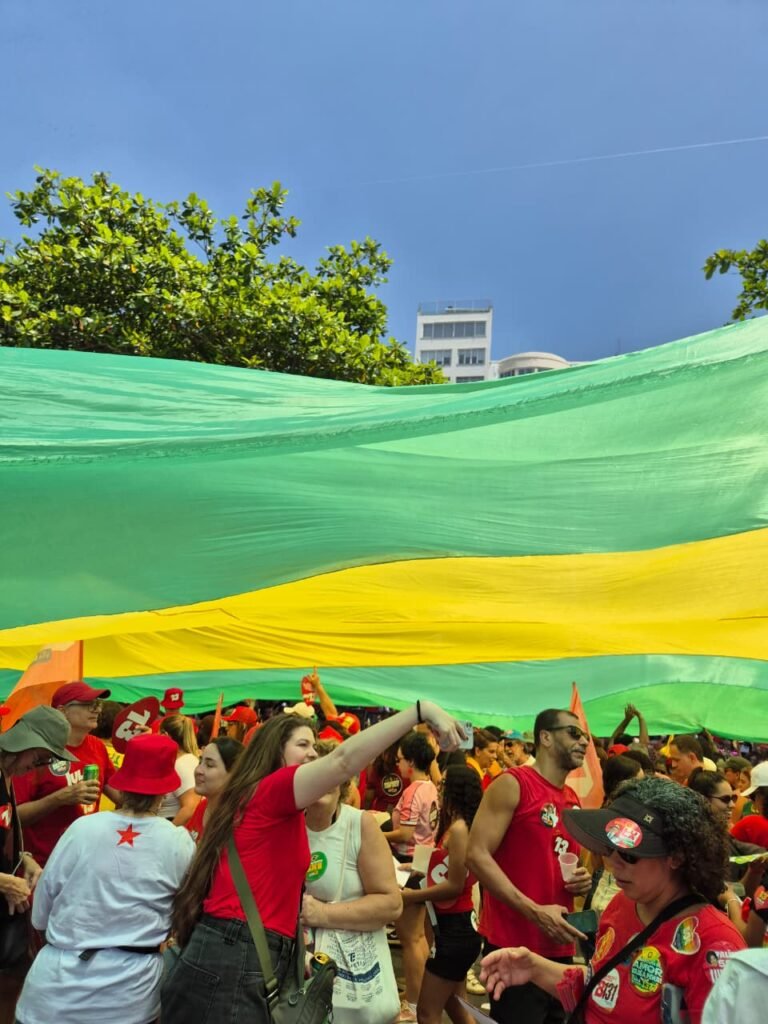
In Brazil, young people took center stage, dismantling the idea that this generation is averse to politics or could easily be absorbed by the far right’s message. From university students to young Indigenous people, in rural areas and cities, different generations joined the mobilization and came together in defense of democracy. We also highlight the significant presence of older people, many of them bedridden, who made the moving effort to go out and vote. Many had experienced the horrors of Brazil’s military dictatorship when they were young. Their votes carry memory and a desire for reparation. We did not vote only for the future: the immense mobilization at the polls also represented a struggle over the past and the courage to repeat the slogan of the Grandmothers of Plaza de Mayo: Never again!
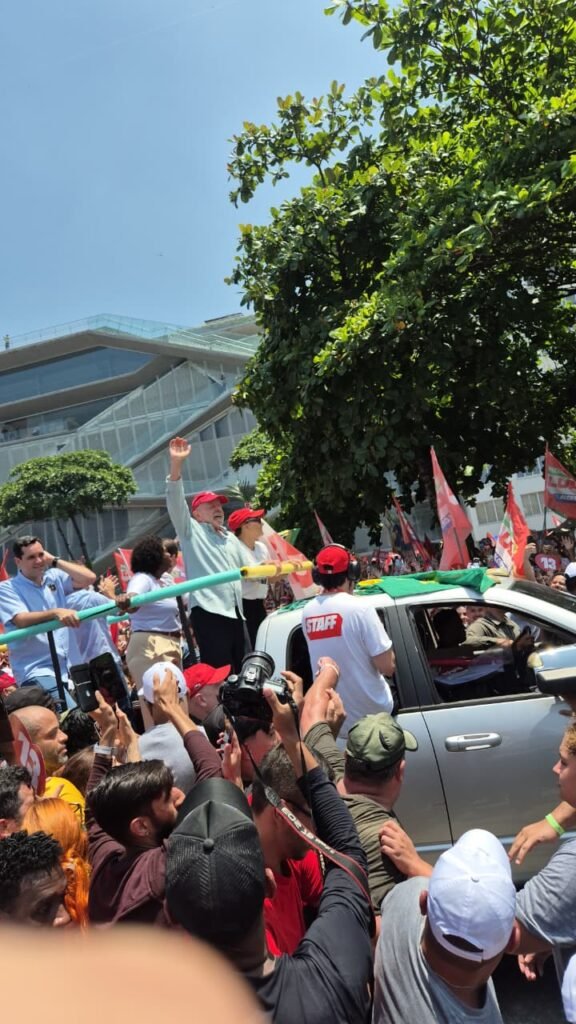
Lula turns 80 as he takes office for his fourth and final term, having turned his fortunes around and become a global symbol of resistance and struggle. The gesture of forming an L with one’s hands has spread around the world, and we are already seeing other countries identify in that symbol a horizon for confronting Big Tech and affirming that, yes, it is possible to resist the advance of techno-feudalism and fascism in the digital age. This is not about romanticizing Lula’s governments, but recognizing that we may be witnessing a political turning point in Brazil, which has once again taken a leading role on the international stage. Why not imagine that possible alternatives to the civilizational collapse we are experiencing could emerge from the Global South?
We still do not know what his fourth term will look like. The challenges are clear: the Amazon is facing a wave of criminally set fires; business owners are threatening and firing workers who openly voted for Lula; political violence is erupting in cases that are increasingly less isolated; and Indigenous villages are facing growing threats. The escalation of violence has already begun in various marginalized territories, quilombos, Indigenous villages, and favelas. It will be an enormous challenge to contain the fascist and violent drive, which persists in its rhetoric of a coup d’état, amid dissatisfaction among market sectors over the trade war with the United States and a population in which 49 percent voted for the vision of the country represented by those who spell Brasil with an S, and not with a Z.
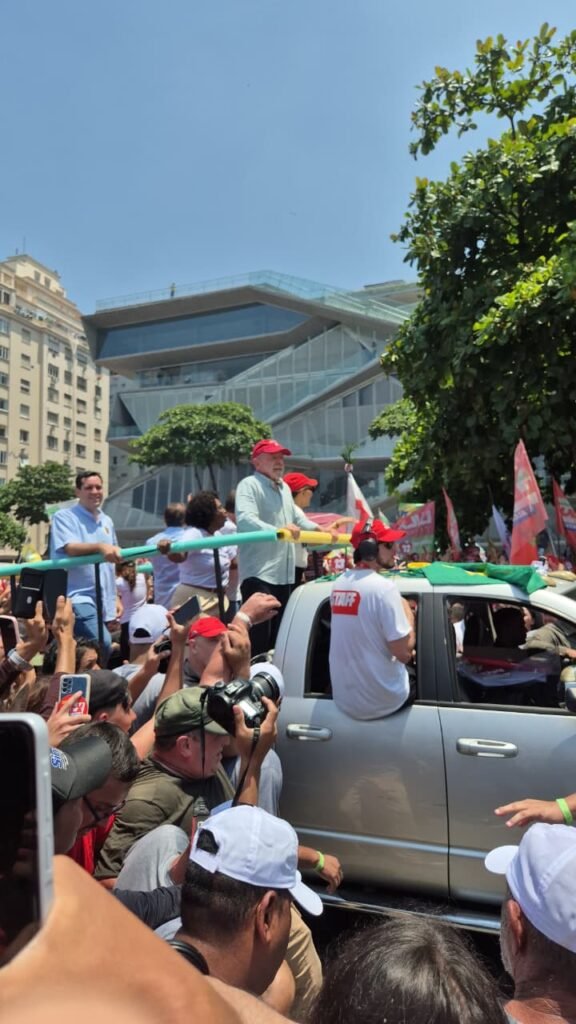
Today, however, Lula has become one of the leading figures in Latin America and the global progressive movement. His popular support could become an important force in the face of the constant risk of regression and the voracious appetite for strategic resources, such as the coveted rare earths essential to manufacturing drones and cell phones. Brazil has one of the world’s largest reserves of these strategic minerals, which helps explain, in part, the interest of Trump and his Secretary of State, Marco Rubio, in controlling and exerting influence over Brazil.
On the other hand, Lula’s election offers additional time to address the urgent need to develop a global strategy to defend the Amazon. As it nears its tipping point, unchecked deforestation could rupture the planet’s already fragile climate stability. Environmental issues are certainly among the greatest challenges of Lula’s fourth term, and he will need the support of an active, ongoing movement to defend his ability to govern. At the same time, he will certainly face criticism over decisions that will include, among other matters, whether or not to exploit new oil reserves at the mouth of the Amazon River. Turbulent times lie ahead.
Lula has always been relatively reserved in debates on urban issues. His governments have done little in this area, in fact. In the current term, the Periferia Viva Program stands out. This initiative of the Ministry of Cities, led by the National Secretariat for Peripheral Communities, aims to transform favelas and urban communities through an integrated approach. Otherwise, Lula’s third government recycled earlier programs and projects. The proposal to make public transportation free on Sundays and holidays is one of the few new ideas put forward in the debate on urban issues.
Another weak point is public safety. The proposal to create a dedicated ministry for this issue, separate from the Ministry of Justice, seems sound. We still lack an effective, concrete response from the left to the debate on violence. Finally, Lula has once again brought the world of work to the center of the political agenda by supporting an end to the 6×1 work schedule. The new government will still have to confront forms of capital-labor exploitation mediated by digital platforms. The challenges are also immense for workers who are classified as entrepreneurs.
Are we witnessing a turning point? We still do not know. Lula will face enormous difficulties dealing with what may be considered one of the worst Congresses in the country’s history. He will have to govern with the support of the people’s strength in the streets and online, against the ghosts of the far right.