The Price of Security: El Salvador Under a State of Exception
The result is a country that seems safer, but at the cost of a profound deterioration of its democratic institutions.
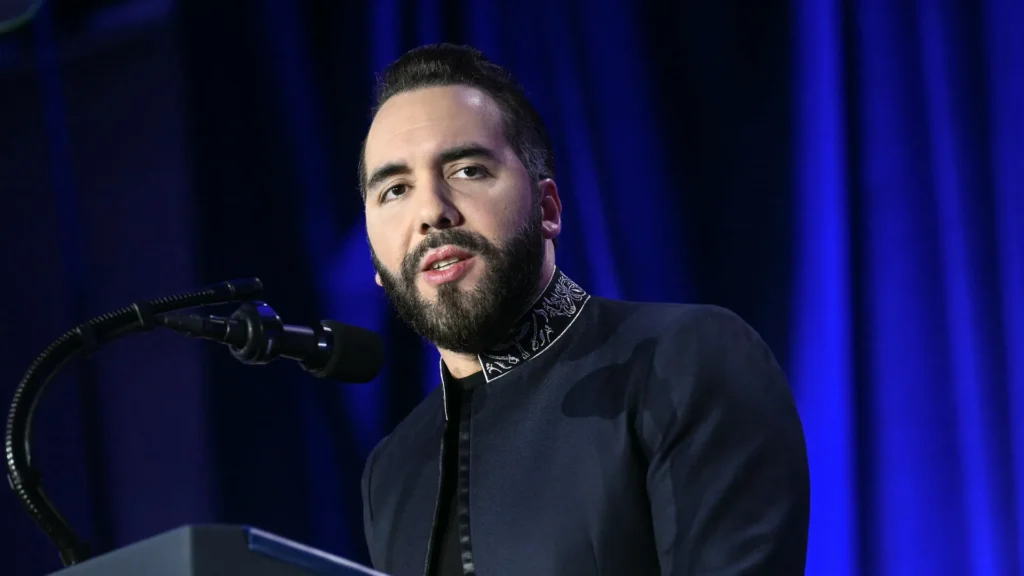
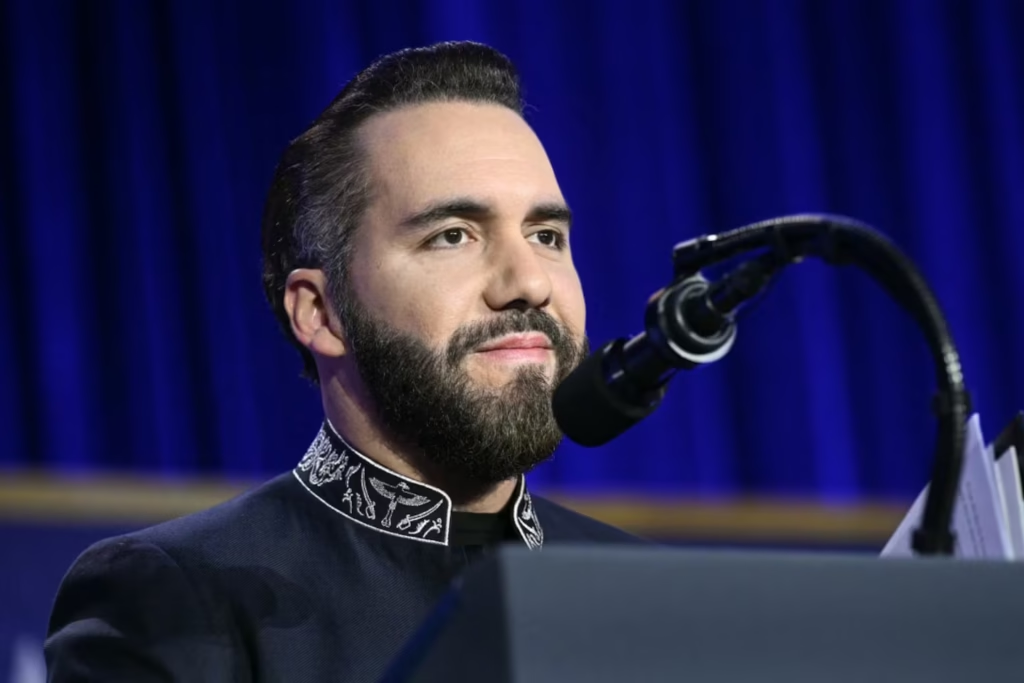
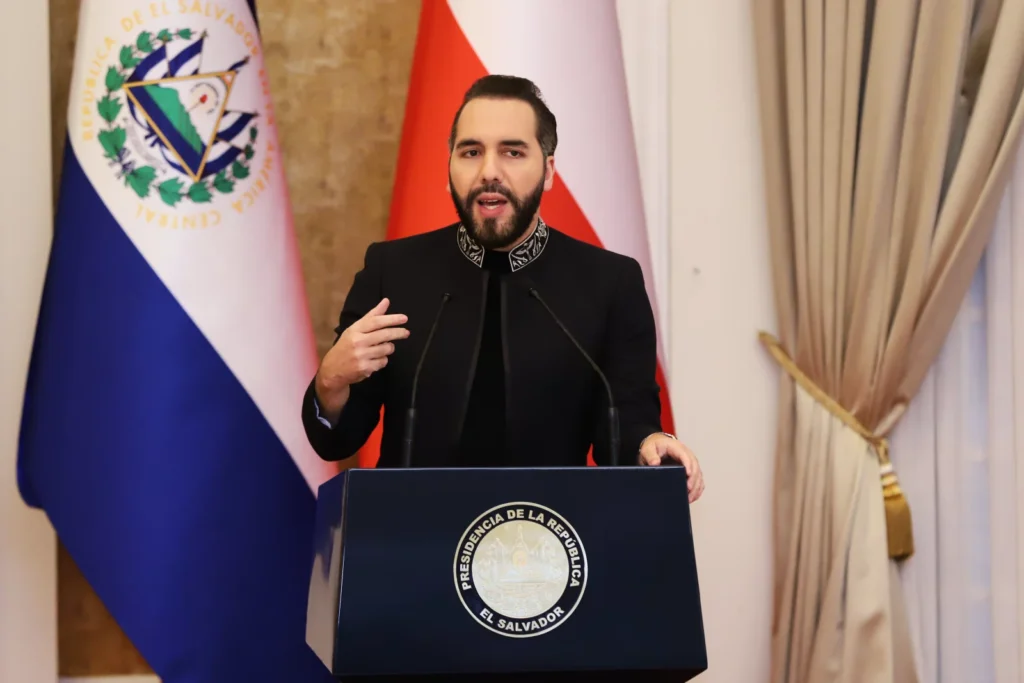
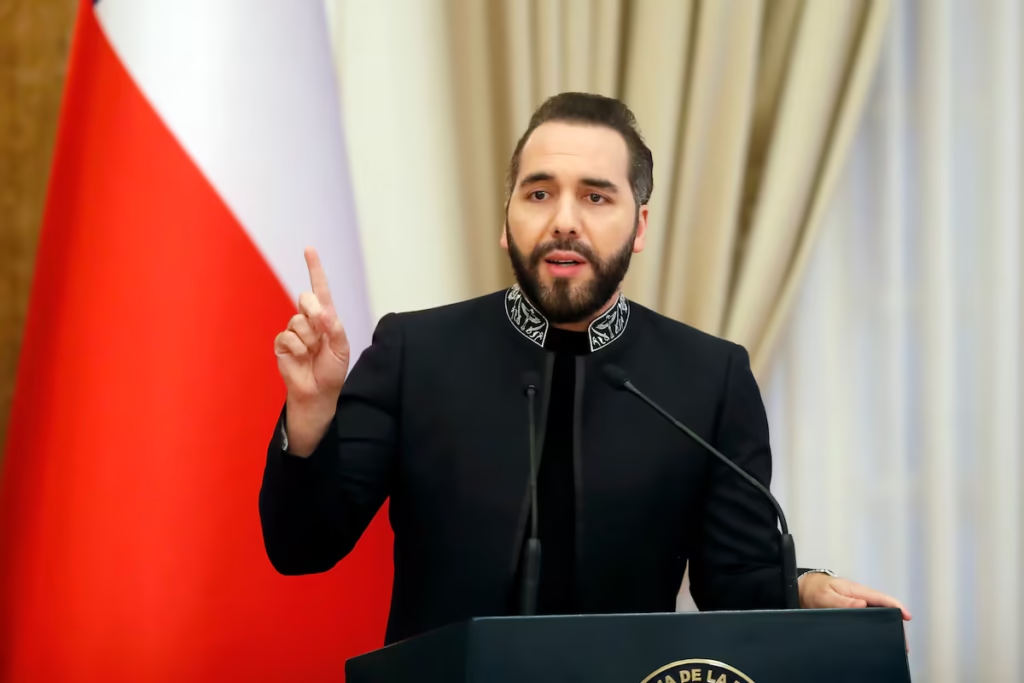
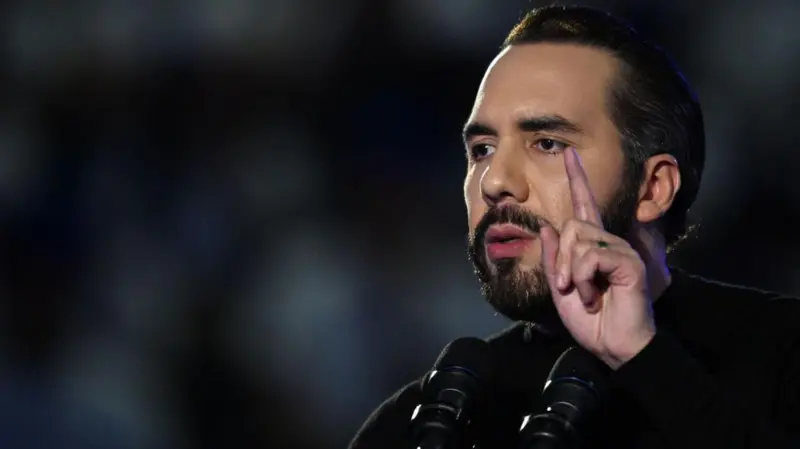
Nayib Bukele, president of El Salvador, has established himself as one of the most popular leaders in Latin America, propelled by a powerful narrative: that he solved the structural problem of gang violence that dominated the country for decades. His strategy—the state of exception, in force since March 2022 and repeatedly extended—has allowed arrests without a warrant or due process, aimed mainly at young people from impoverished communities. This model, which has drastically reduced homicides, has been held up as an international benchmark and is now cited by political figures across the region.
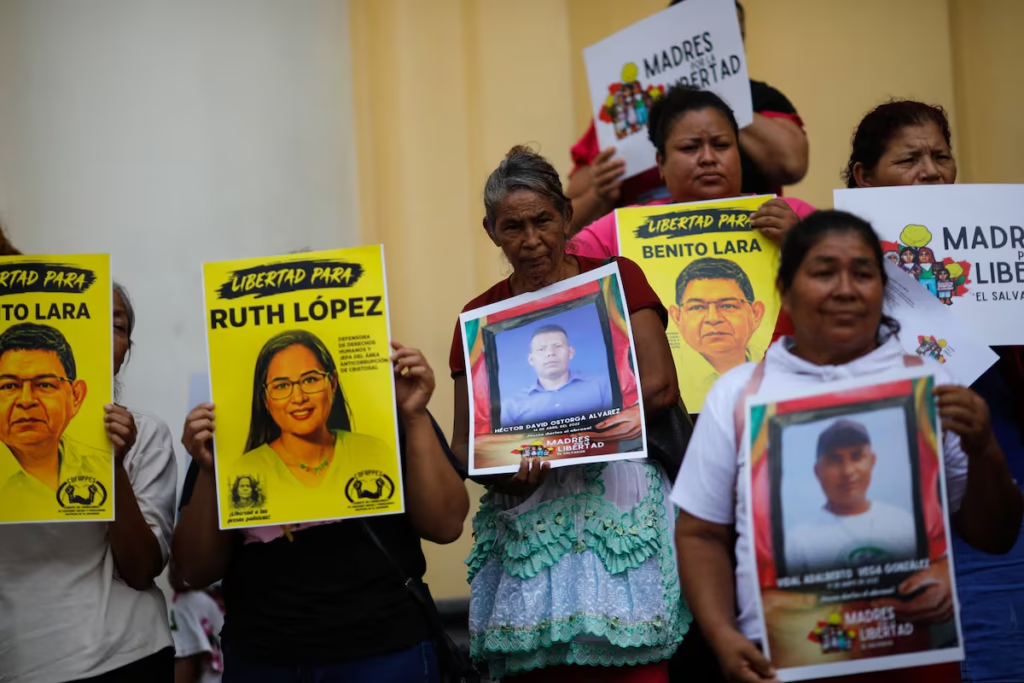
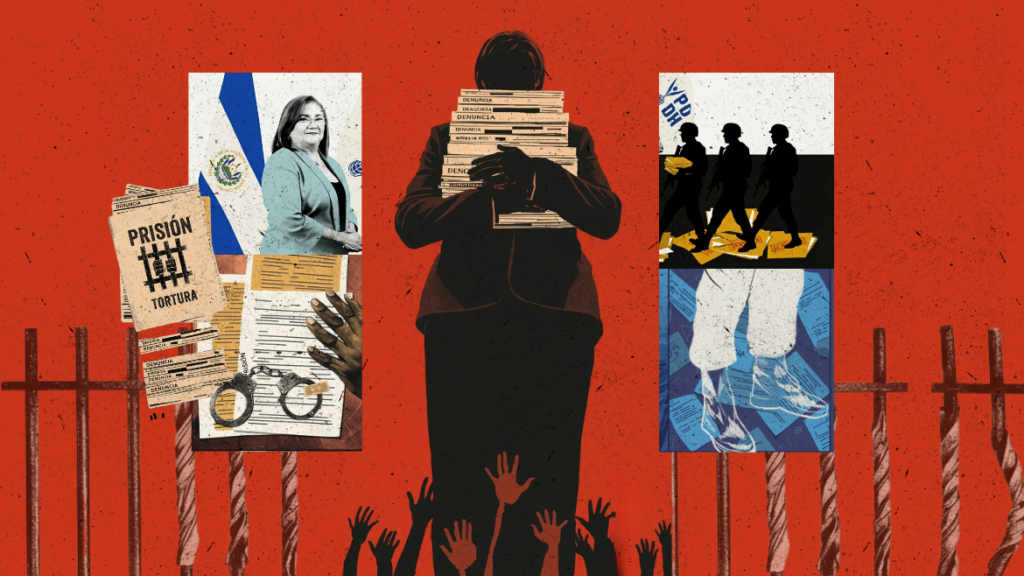
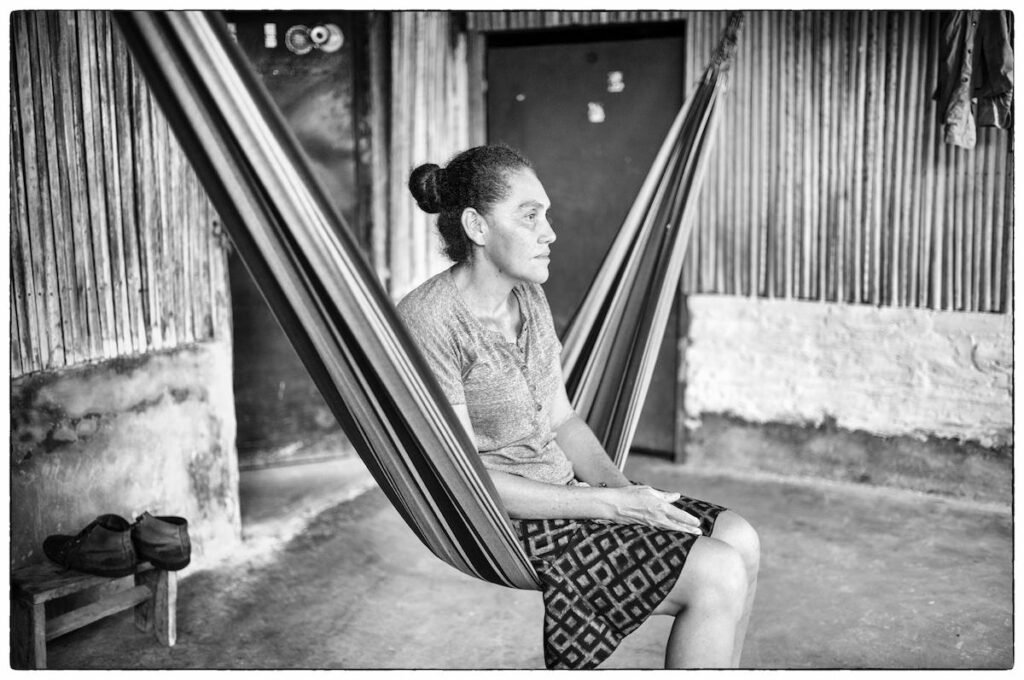
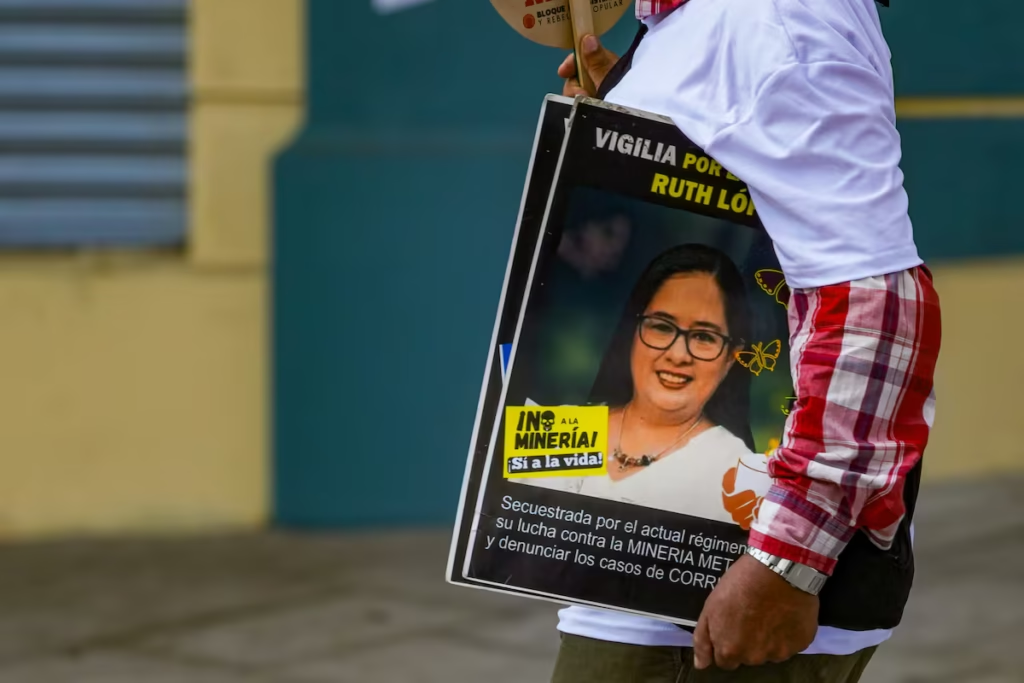
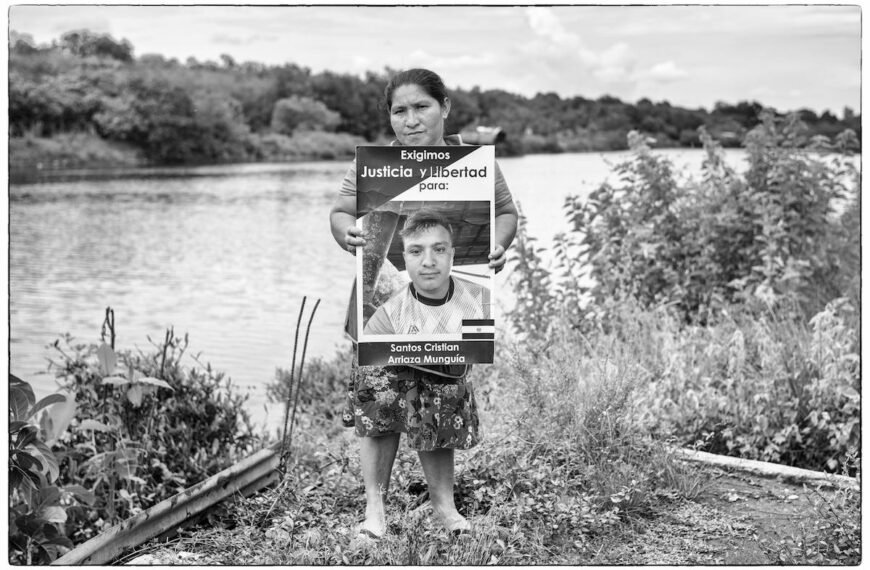
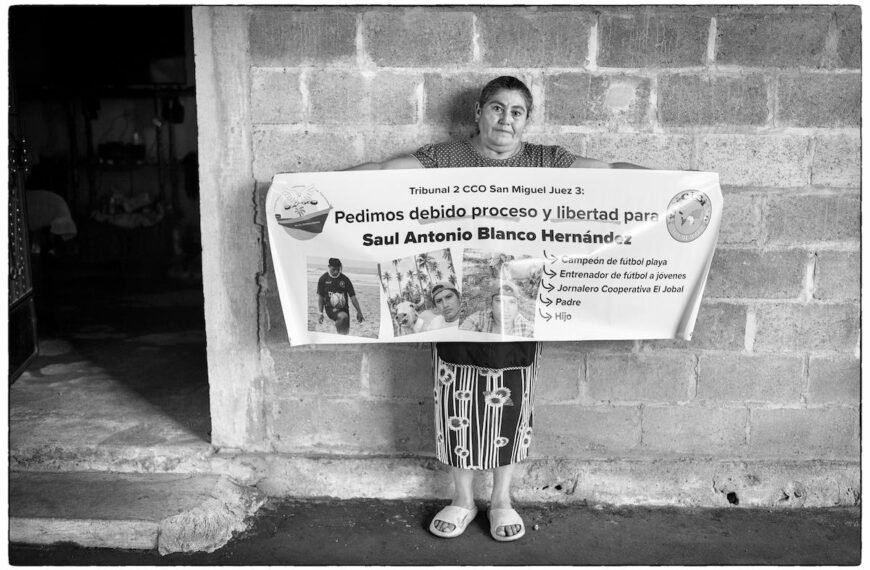
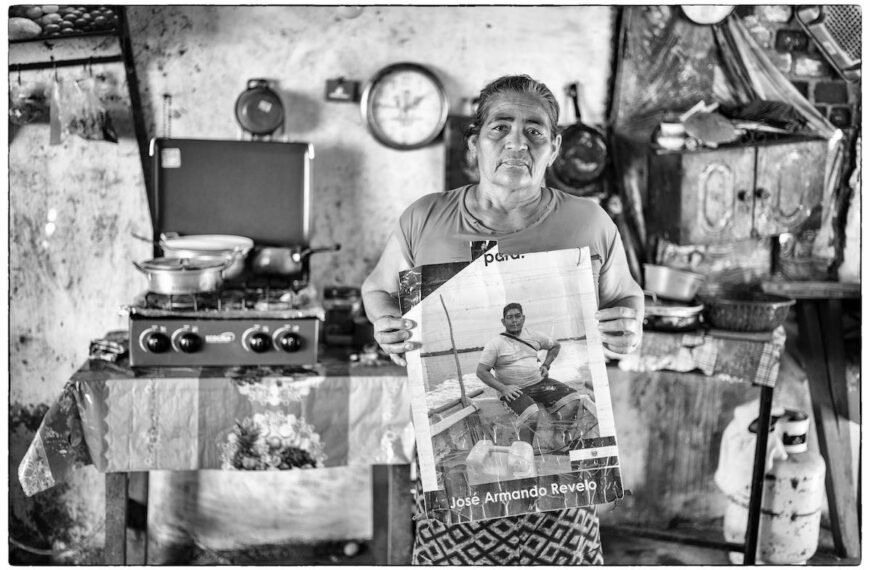
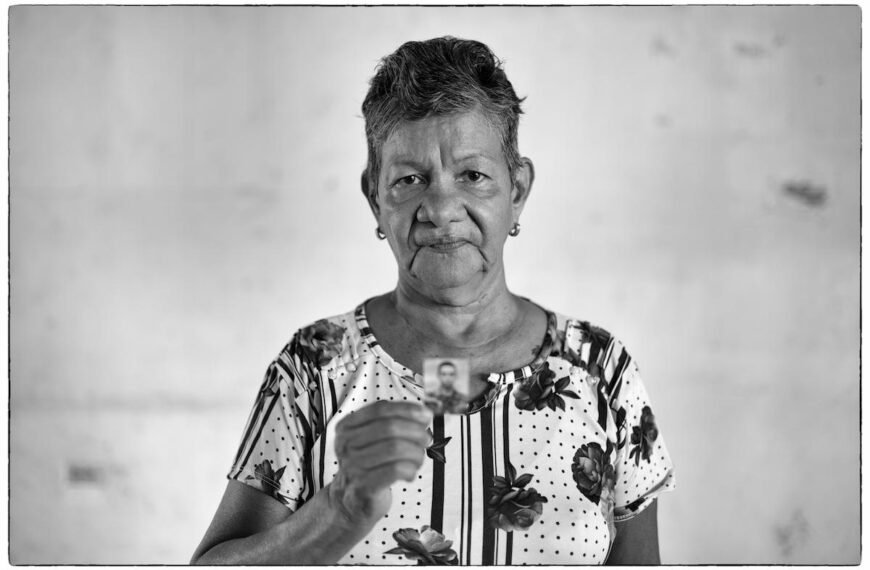
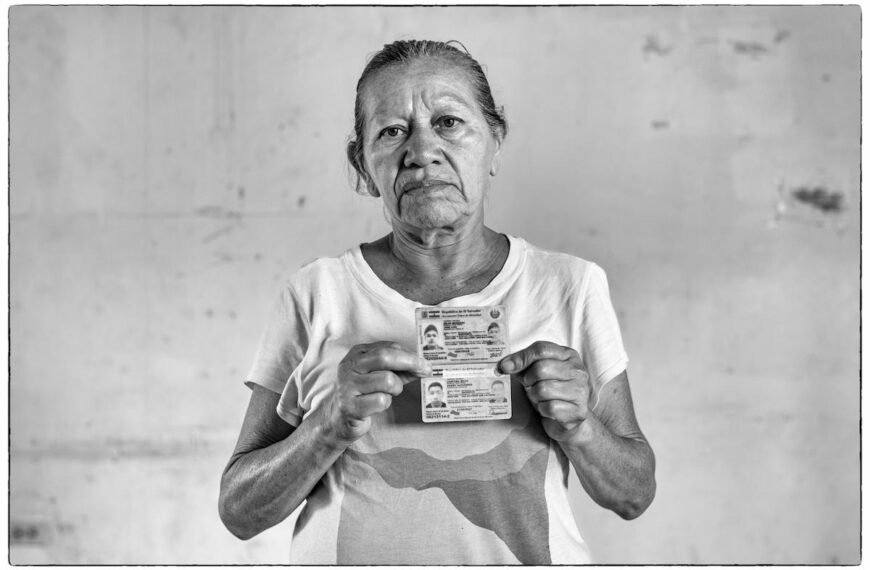
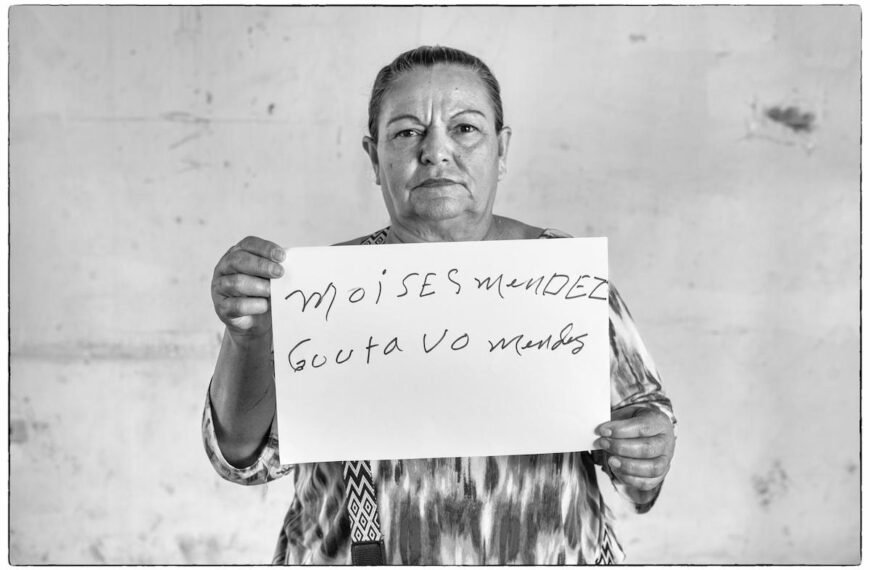
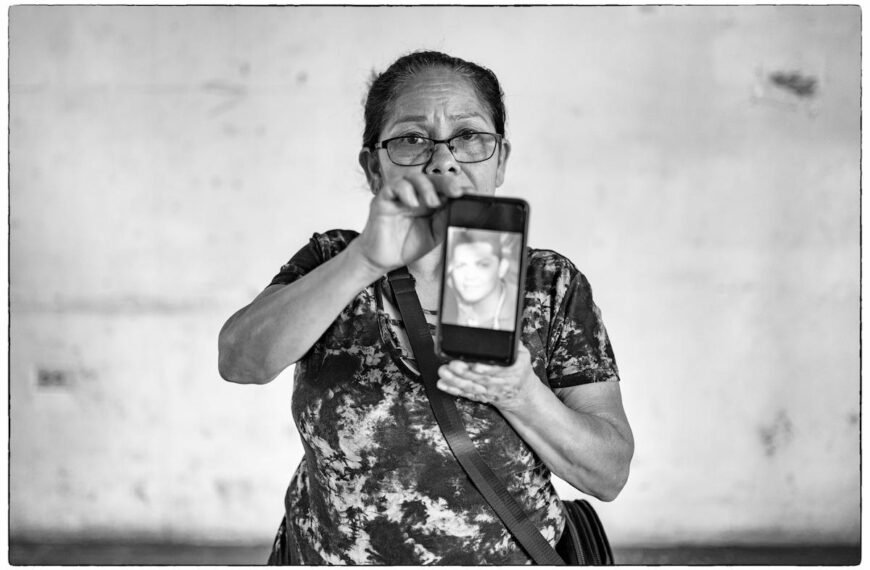
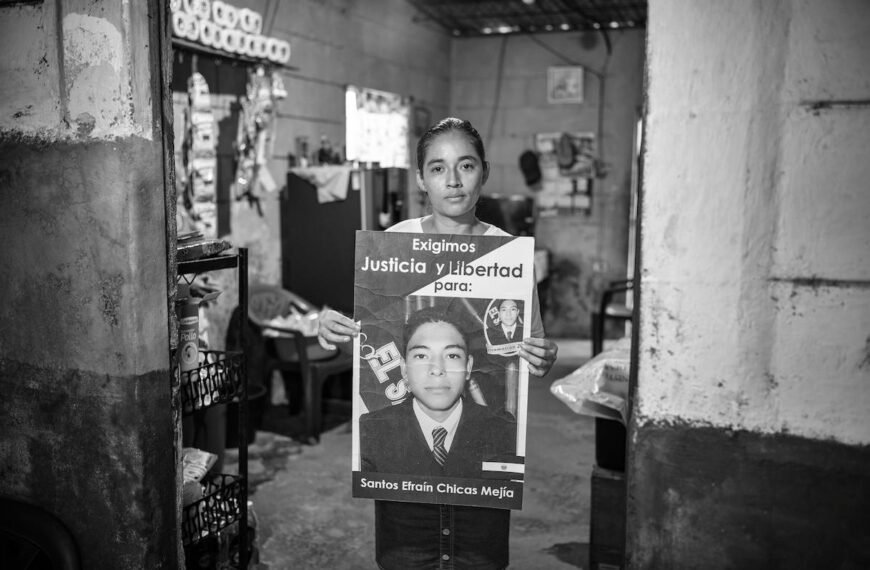
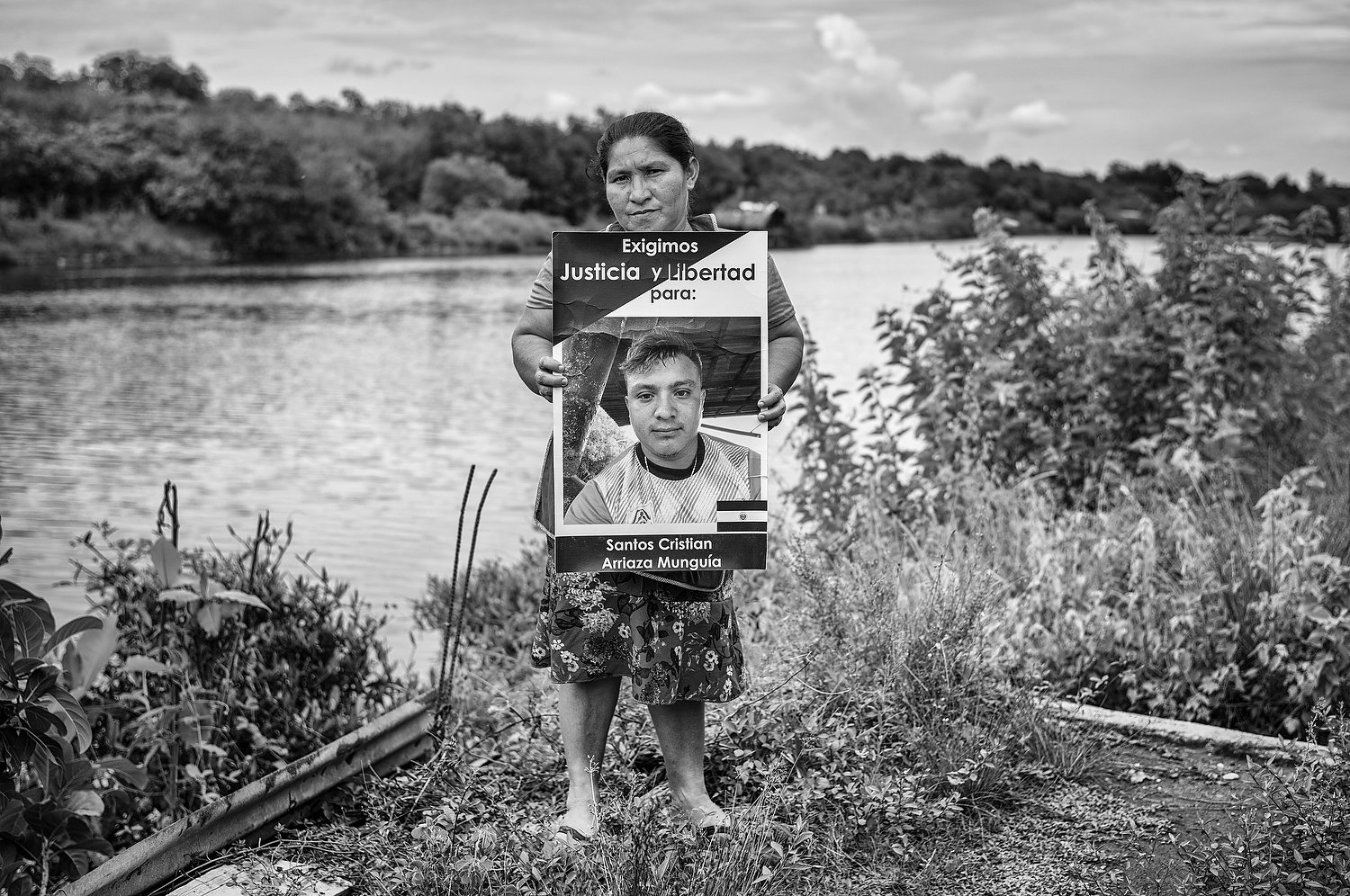
But that apparent effectiveness hides a far more complex reality. After more than a hundred hours of interviews in urban and rural communities, Dr. Beatriz Magaloni and Stanford University’s Democracy Action Lab documented a systematic pattern of arbitrary detentions, many of them targeting people with no ties to gangs.
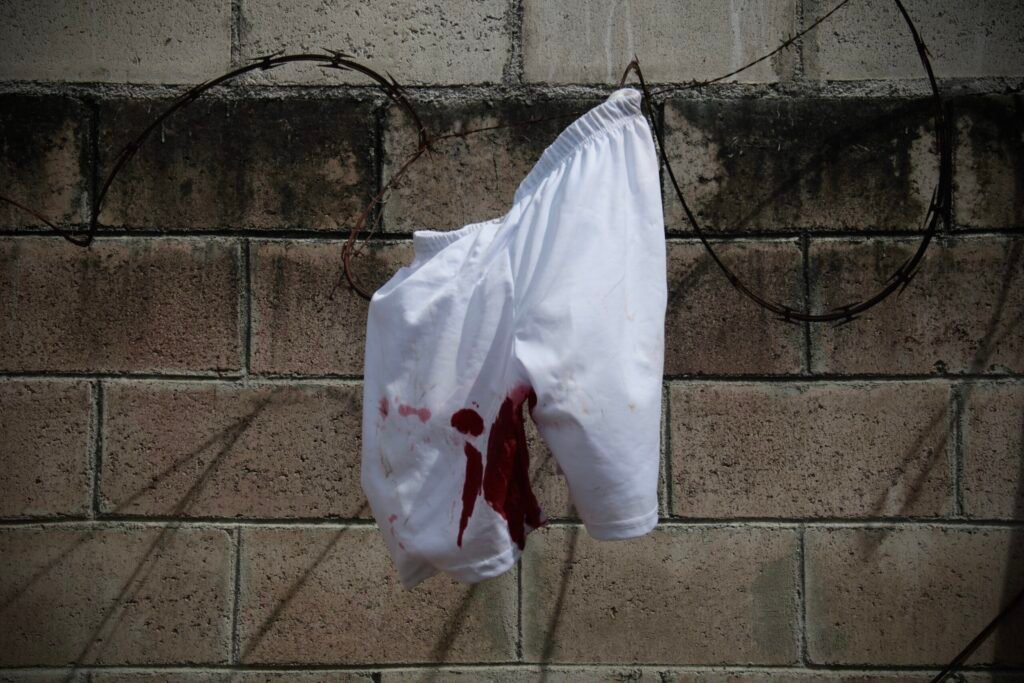
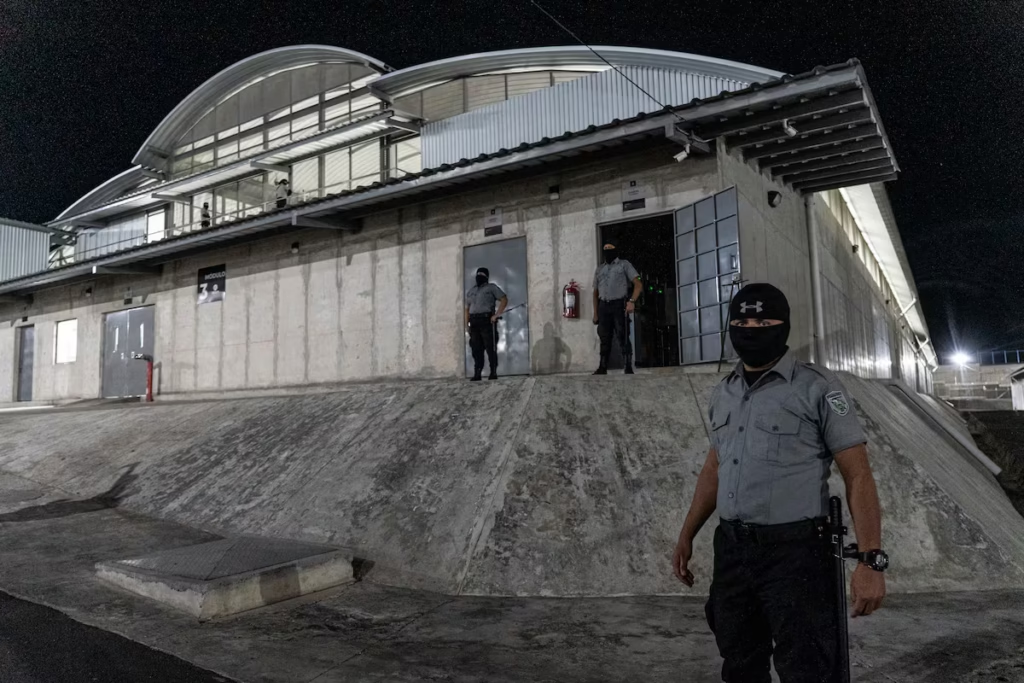
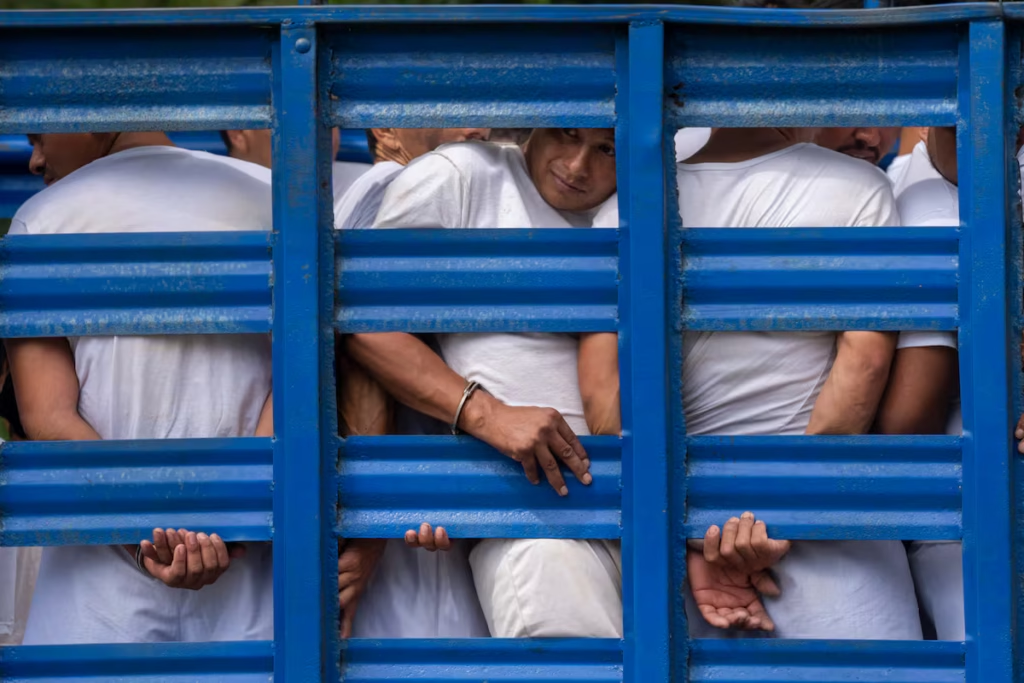
These findings match the complaints of human rights organizations: mass incarceration without legal safeguards, de facto disappearances, and torture inside the prison system, which Magaloni describes as “a prison system of terror.” At the same time, the country has the highest incarceration rate in the world—close to 1.9% of its population—and it is estimated that as many as a third of those detained may be innocent.
Far from being a distortion of the system, the research points to a structure of incentives that encourages these arrests—quotas for the security forces, informant networks, and economic benefits tied to incarceration—while the state of exception has become a tool to silence criticism and dismantle the opposition. The result is a country that seems safer, but at the cost of a profound deterioration of its democratic institutions.
On top of this comes a far-reaching institutional transformation. As Beatriz Magaloni and Alberto Díaz-Cayeros warn, El Salvador has moved toward a system without checks and balances, in which the judiciary and the electoral authorities have been aligned with the executive, indefinite reelection has been allowed, and basic guarantees such as the presumption of innocence and access to legal counsel have been eroded. In this context, security is no longer merely a public policy; it has become the axis of a reconfiguration of power.
The greatest risk, however, is not only domestic. The Bukele model has begun to be promoted as an exportable solution in a region torn by violence. But the accumulated evidence suggests that its effectiveness rests on the erosion of the rule of law. The open question is not whether it has reduced crime, but whether that result can be sustained without normalizing the exception as a permanent form of government.
TERRA 360 PROJECTS
In the Press
Terra 360 curates this selection of news about El Salvador, gathering and organizing the most relevant coverage from the international press.