
Demotanasia: Rural Galicia Fades in Silence
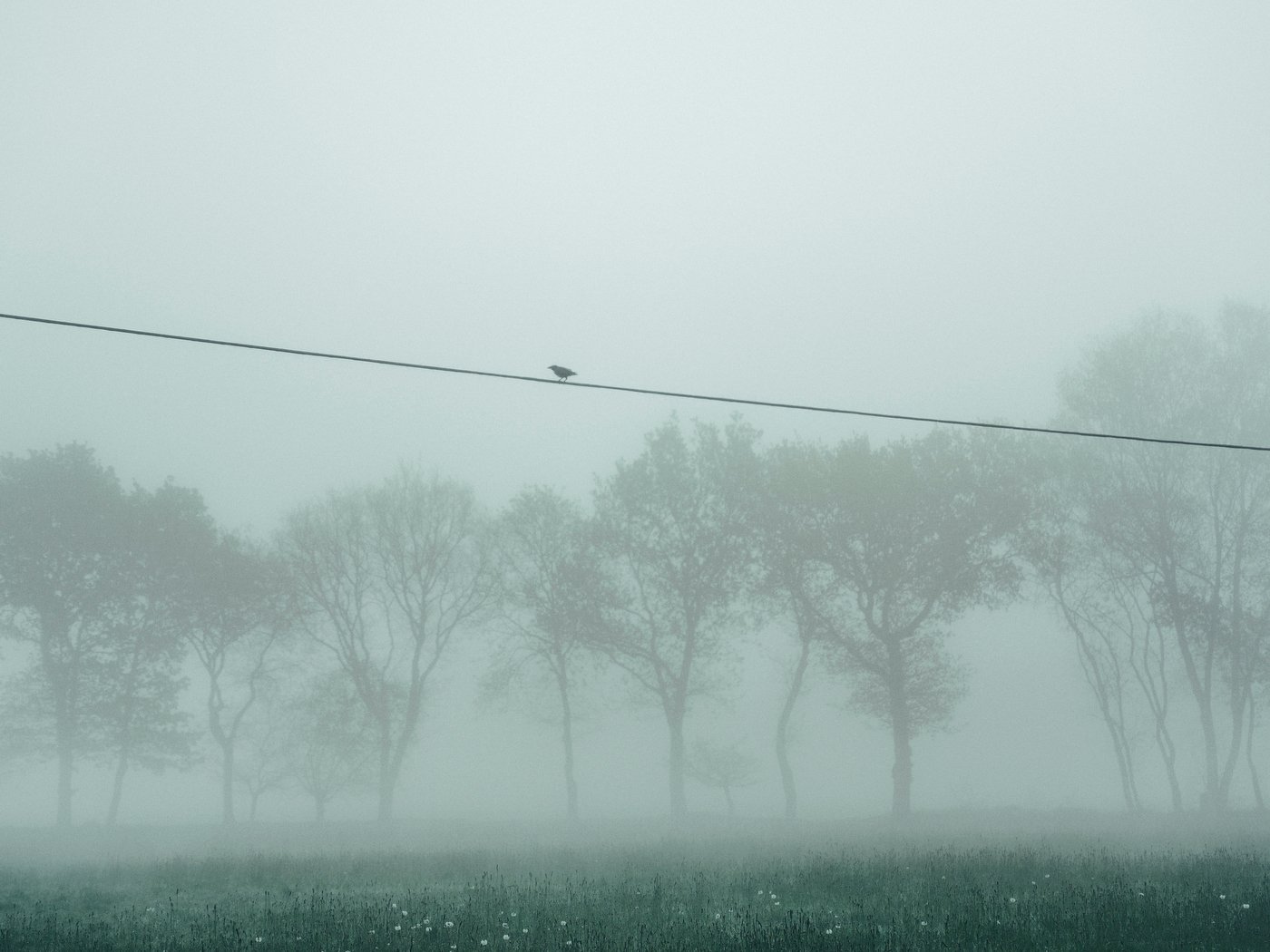
It is early morning in Terra Chá, in the province of Lugo, with a cloudy day over the plains, where the rural exodus is also noticeable, despite being the area with the highest livestock activity in the province. 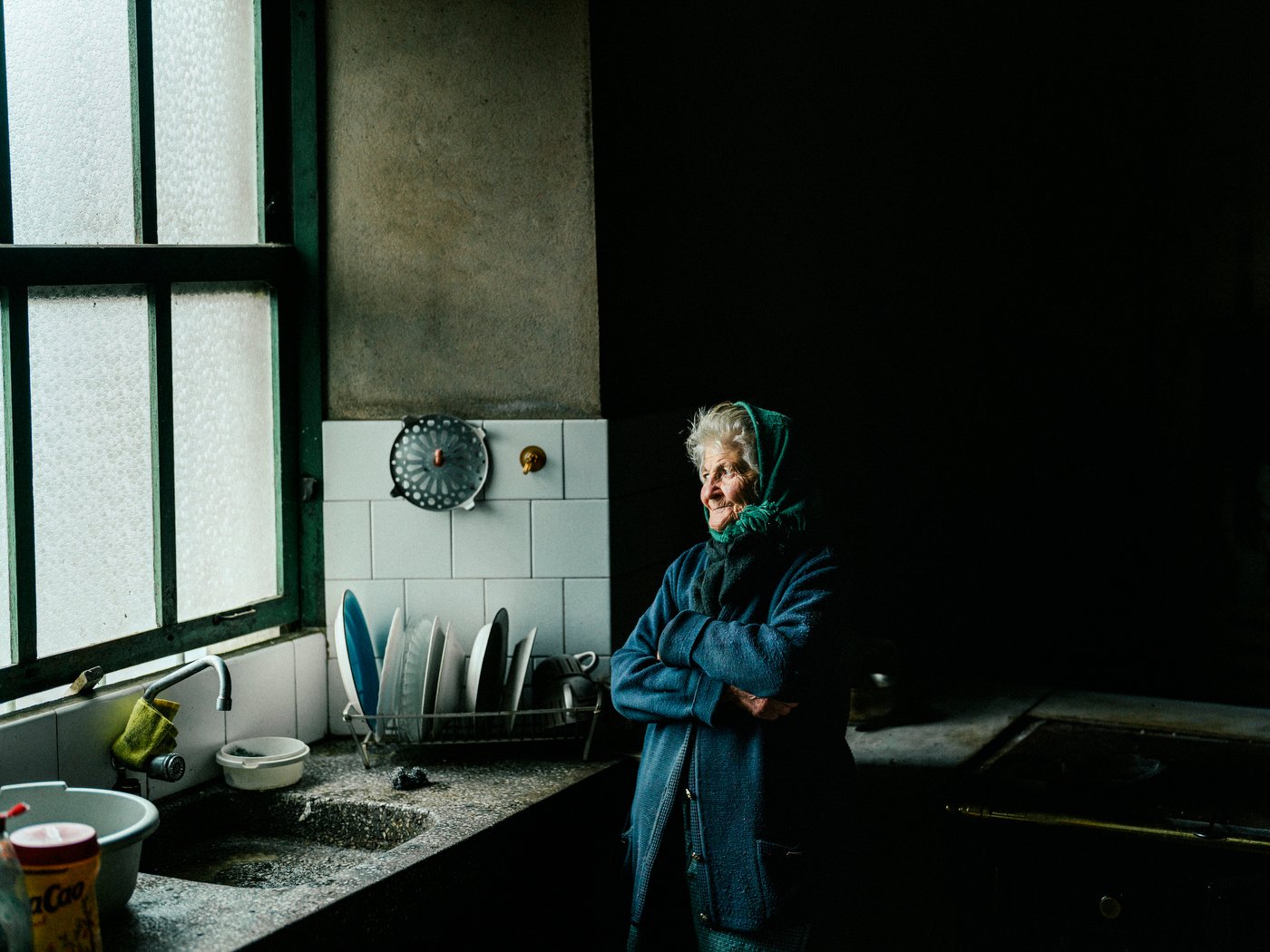
Olga watches the first rays of sunlight through the window after getting out of bed. 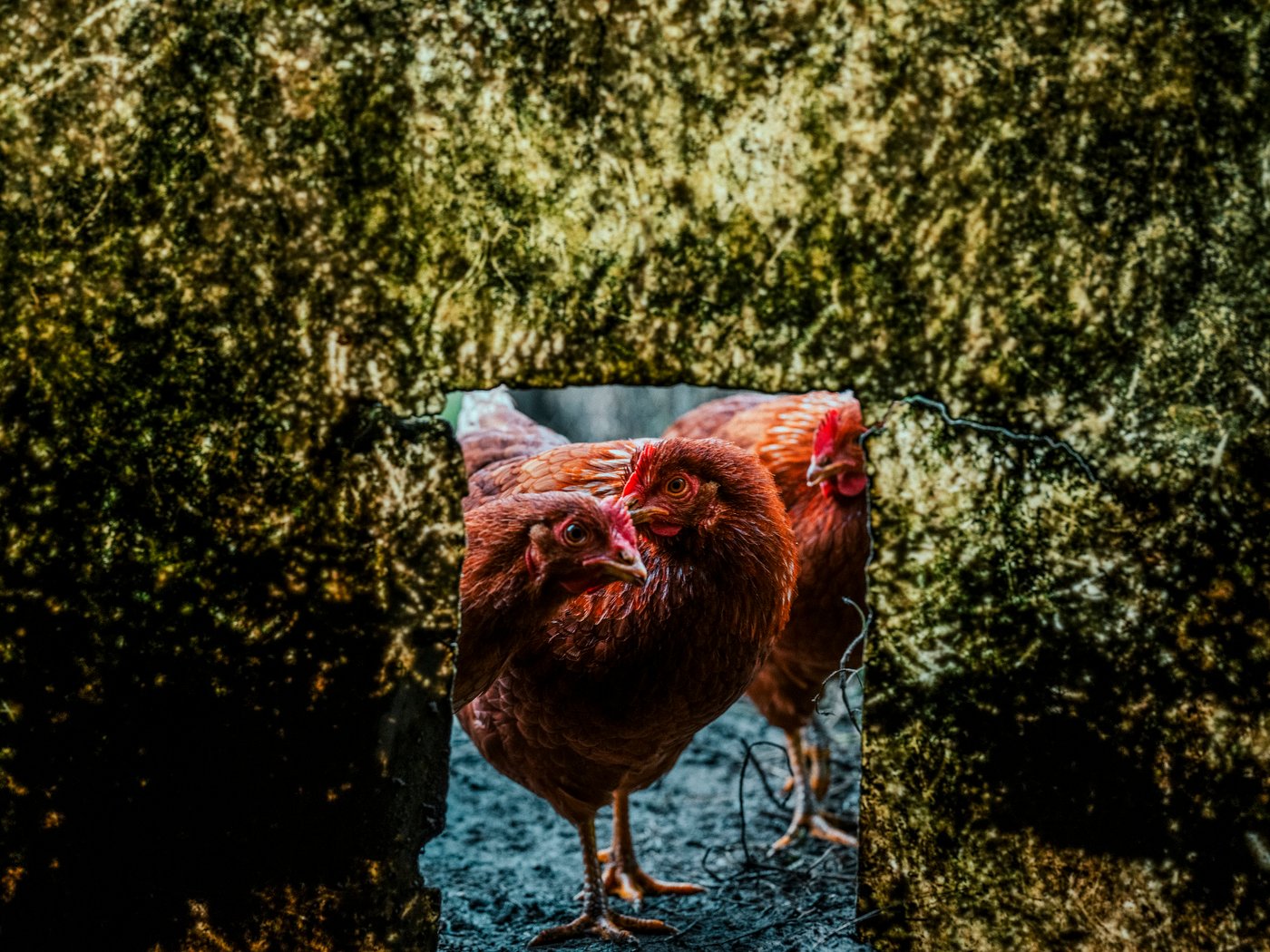
Fernando’s chickens in the field. Precariousness is present in rural areas. Those who live off the land face economic difficulties. “What saves me is that I hardly spend anything on food because I eat everything I produce and what my animals produce,” says Fernando. 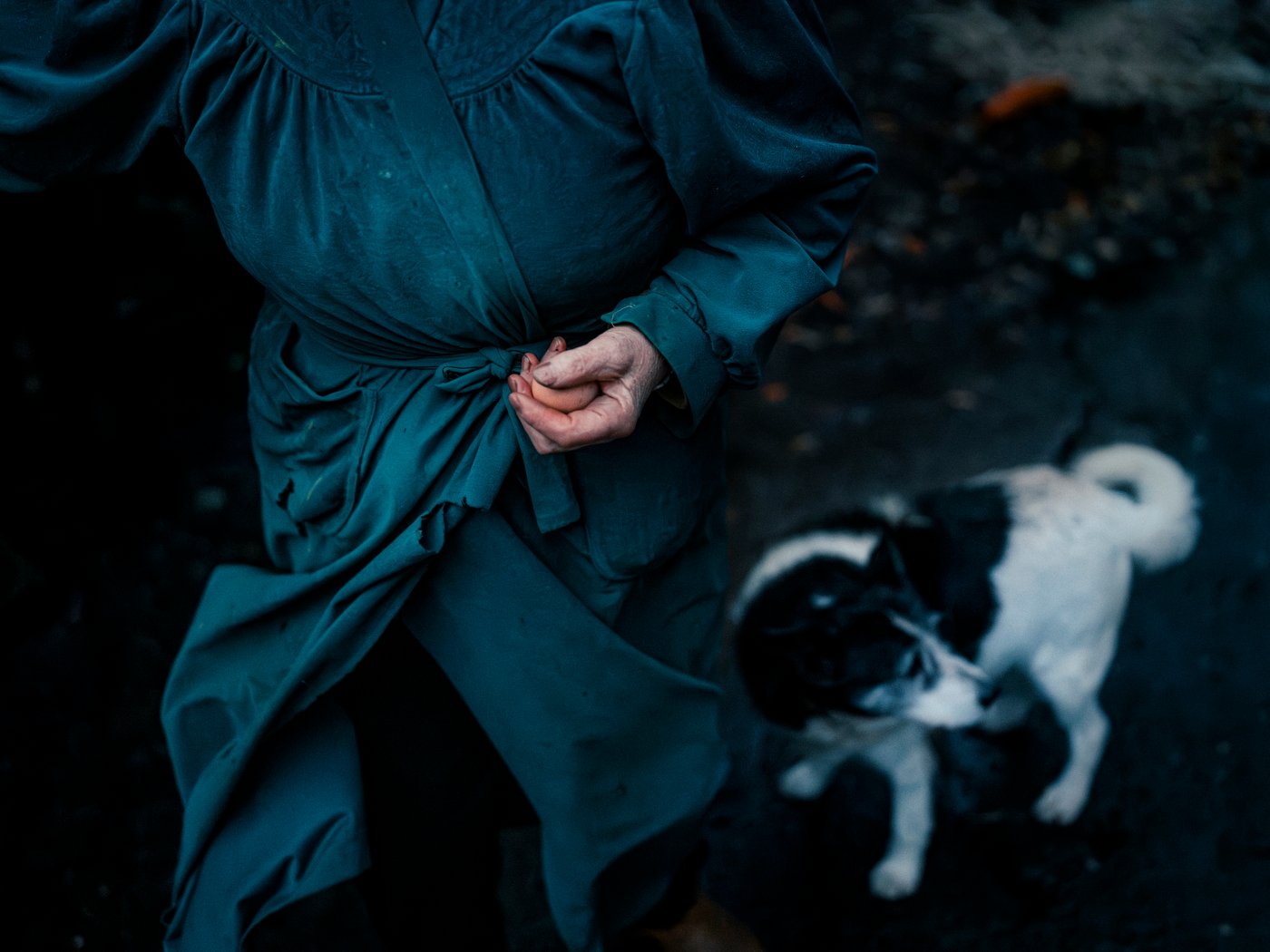
Adela and Manuel are the last inhabitants of a village that once had 13 inhabited houses. Adela and Manuel end the rainy winter day playing cards, taking care of the animals, and collecting eggs from their chickens. 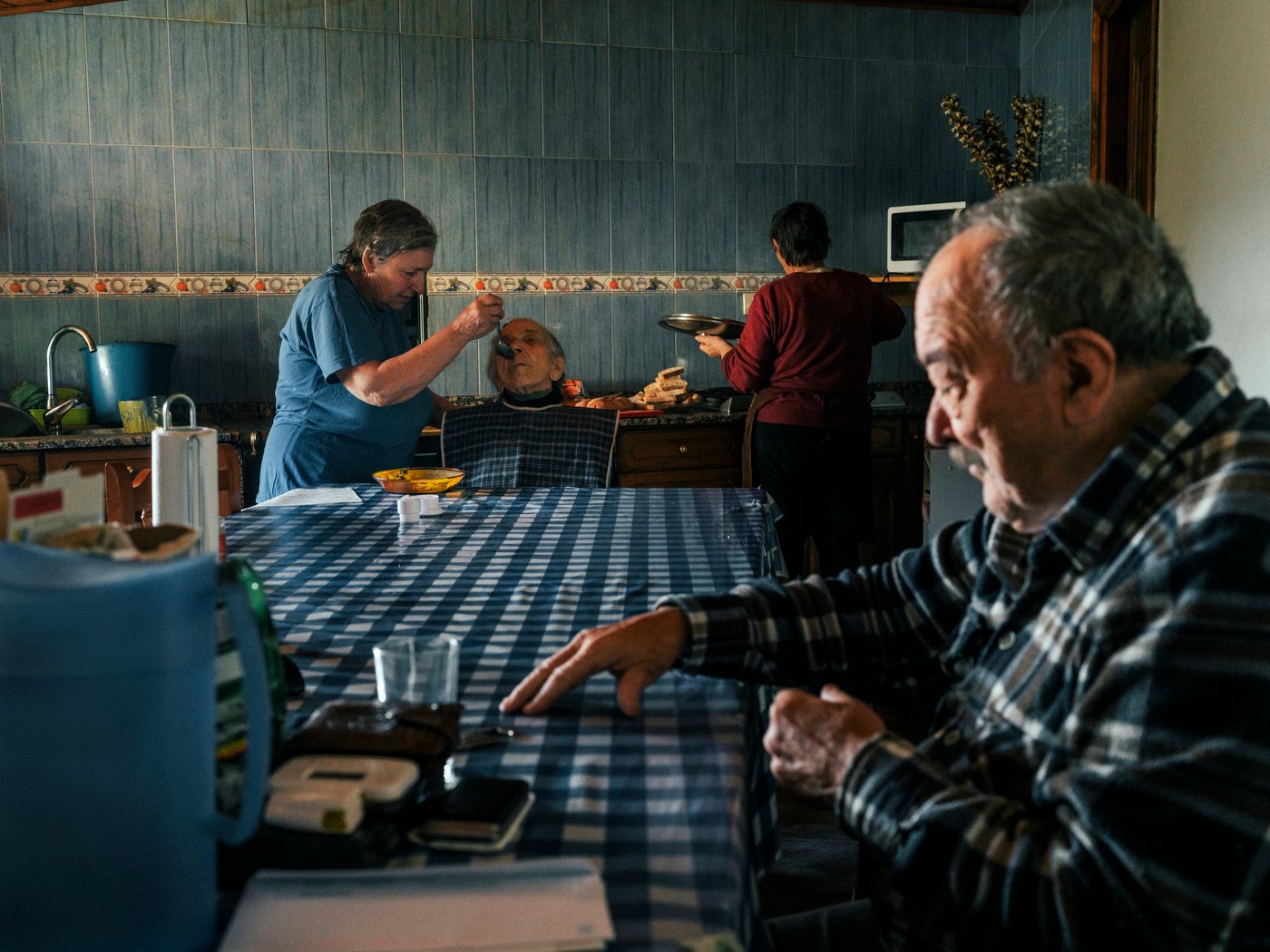
Herminia takes care of Victorina, Pepe’s 93-year-old mother. Pepe, meanwhile, checks his pills, as he suffered a stroke a few months ago and cannot move on his own. Meanwhile, María, Herminia’s sister, helps her with the cooking. Herminia also takes care of the vegetable garden. She is still waiting for approval from the social services department to apply for assistance, but she has been in this situation for months. 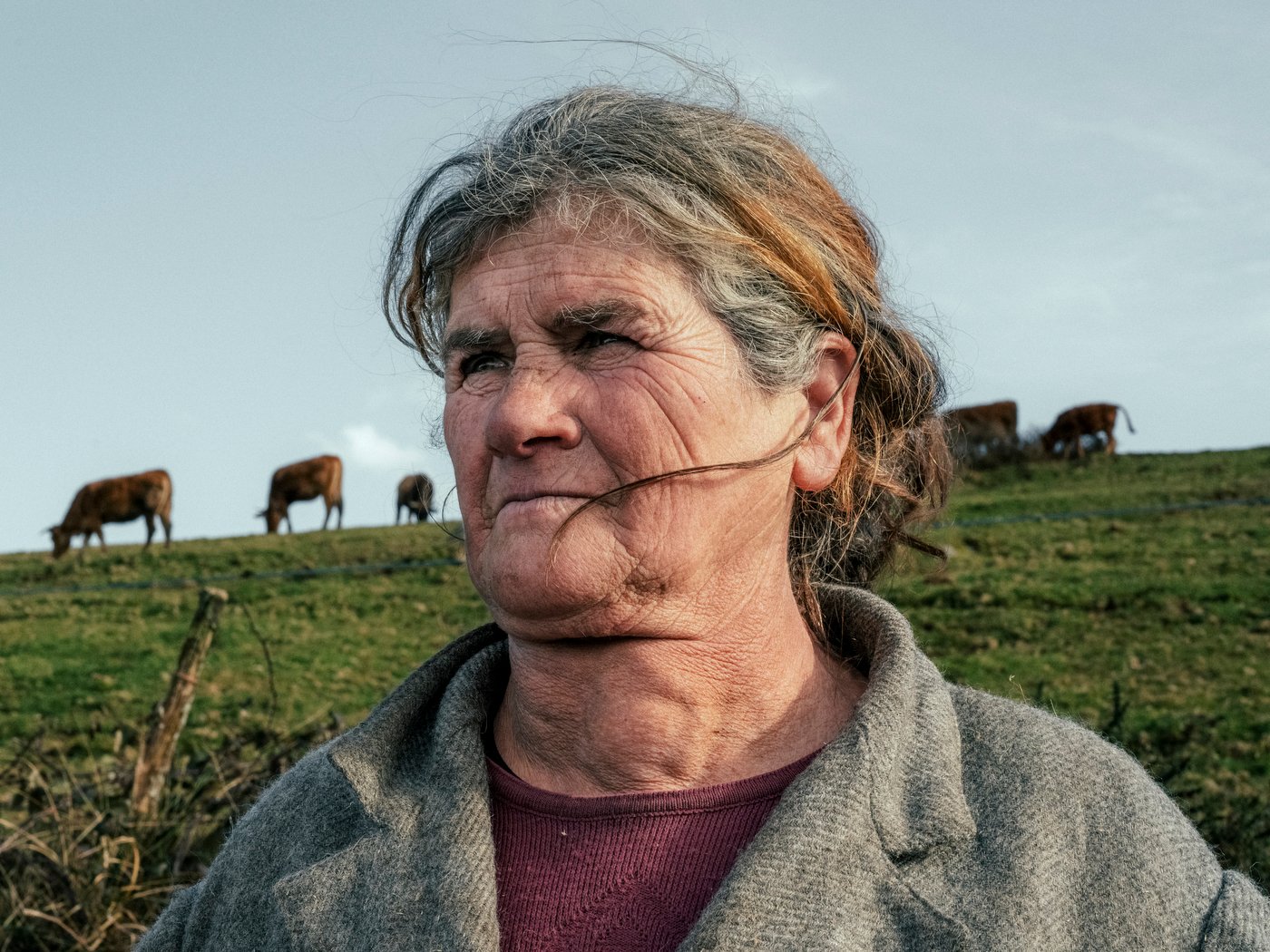
Magdalena observes the windmills, which, according to her, have only increased depopulation because the wealth stays with the large energy industries. Magdalena Fernández Cortiñas lives in a village with her 40-year-old son and another neighbor, Abel, who is 80. She says that everything has become depopulated very quickly. The livestock barely provides enough for her to live on, and the situation has become more complicated since her husband died. Her son works occasionally in the forest, earning a wage that helps the household. 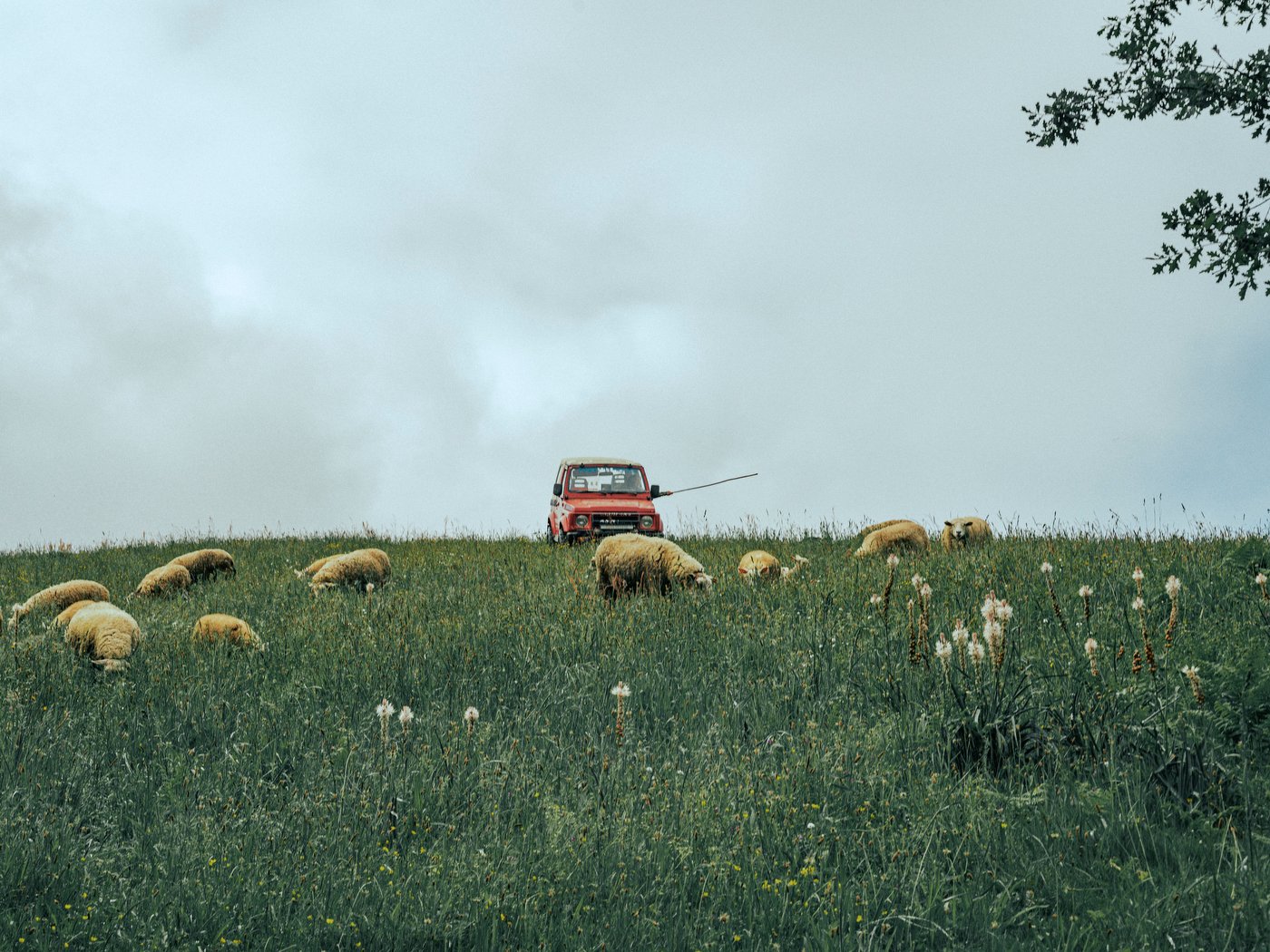
Ofelia gathers her flock of sheep with an old off-road vehicle. 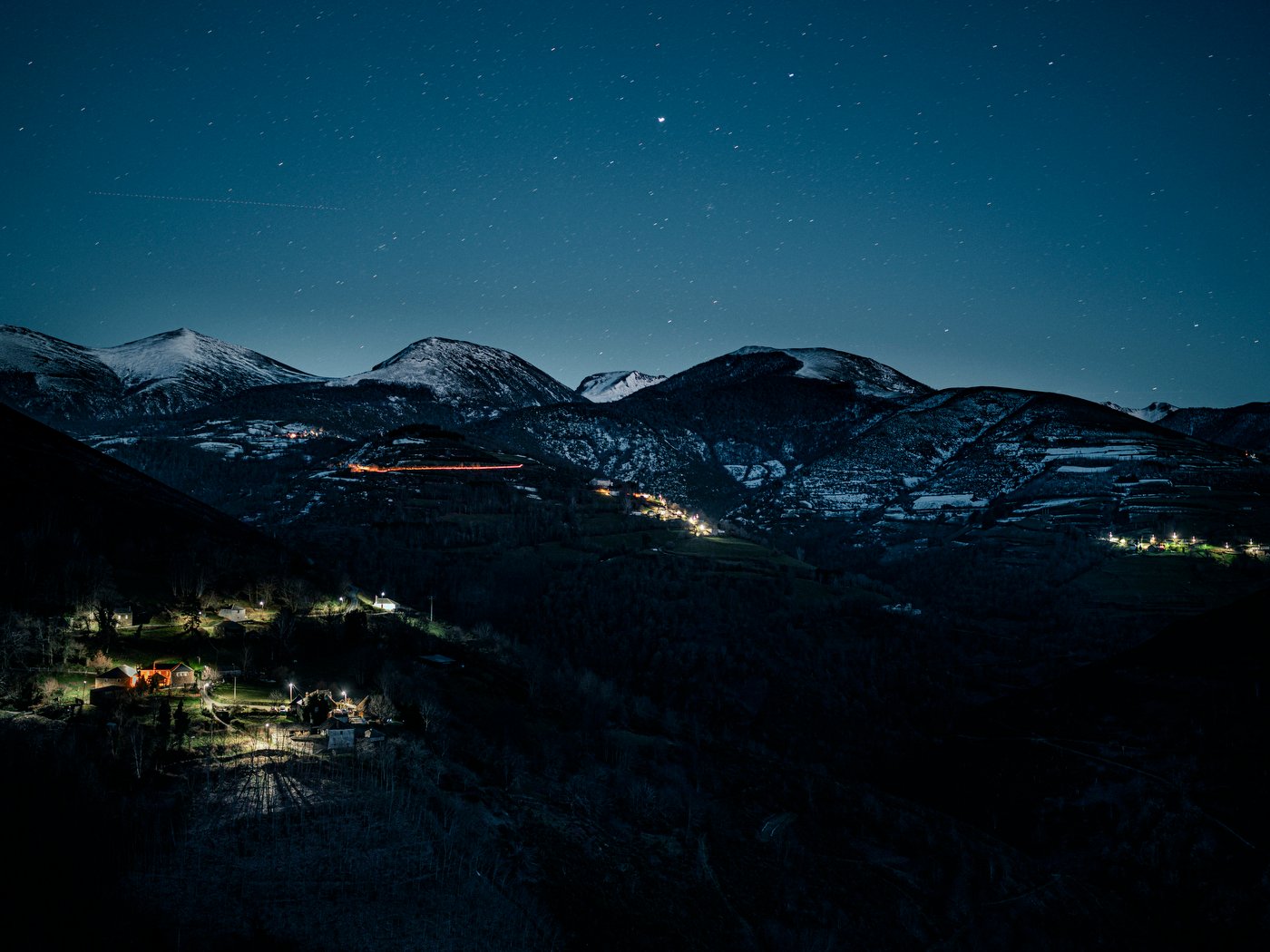
The Ancares region, in the mountains of Lugo, northern Spain, at nightfall. The vast geographical dispersion means that the territory is dotted with villages where, in many cases, only one person lives. The geographical dispersion of the region accentuates the rural exodus, as loneliness and isolation are greater. 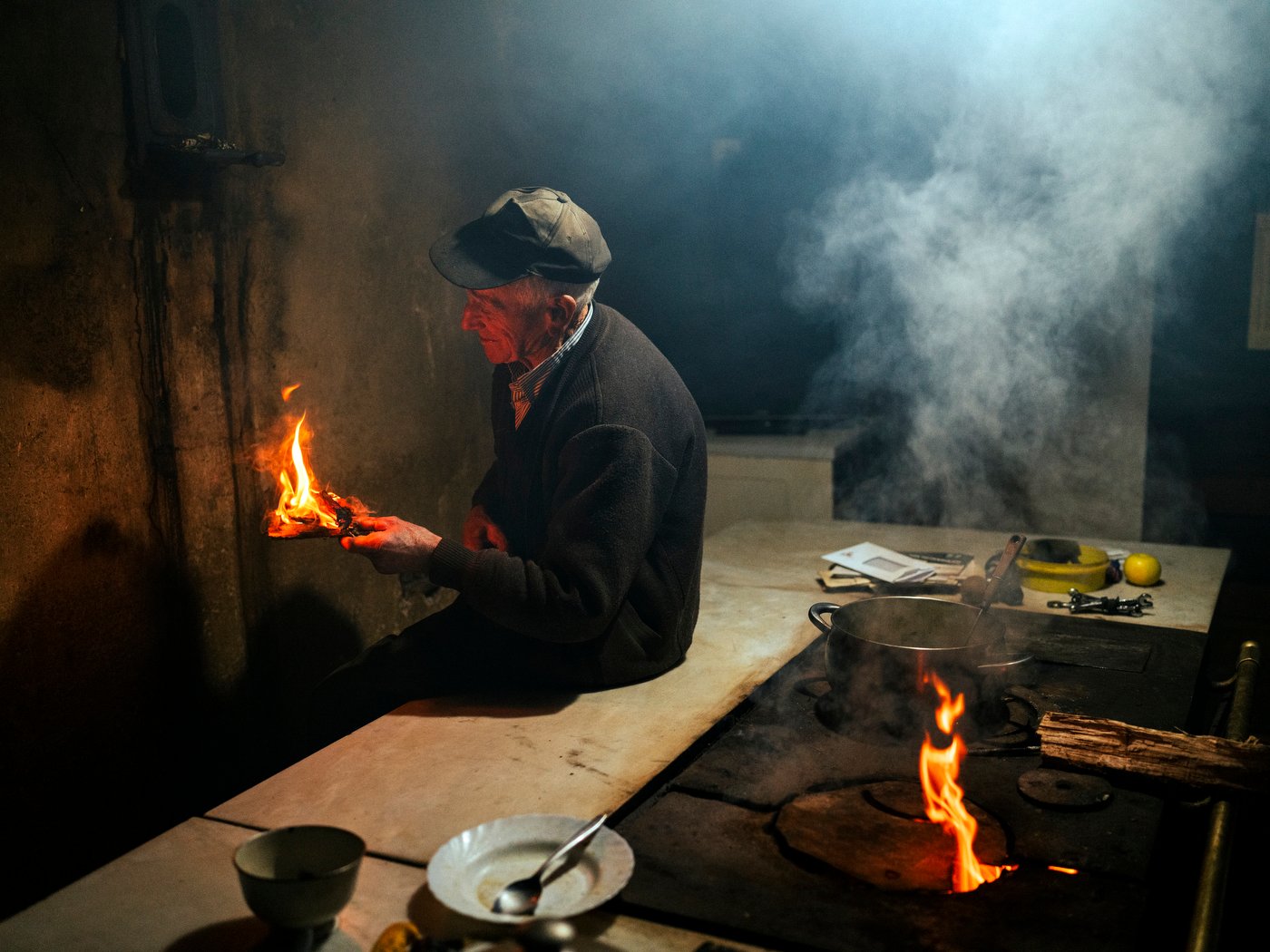
Domingo is 88 years old and lives alone in an isolated village in A Fonsagrada. He lights the wood stove on a cold winter night. 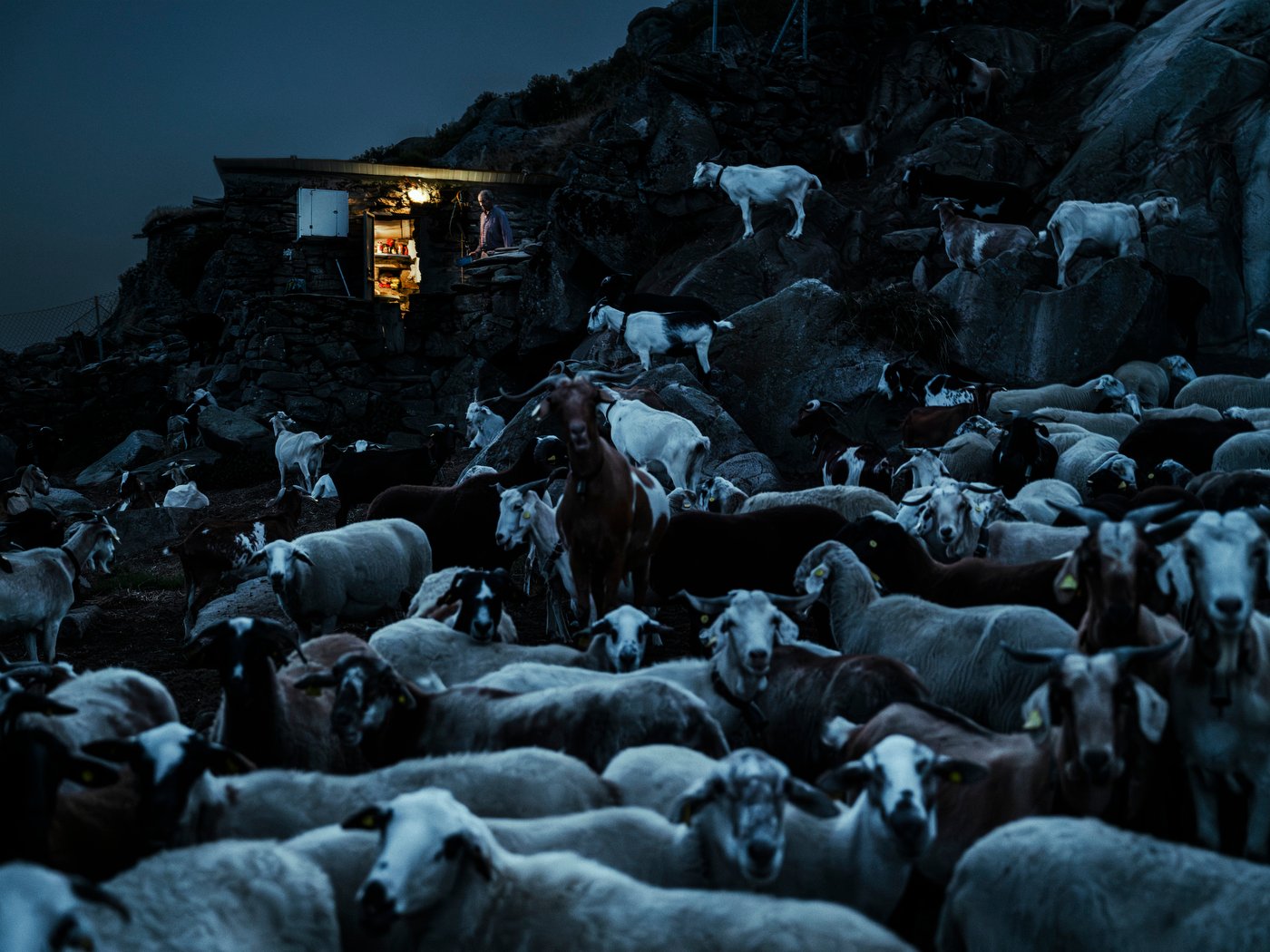
A day in the life of one of Manzaneda’s last shepherds, Manolo de Palleirós. The goats and sheep spend the summer in the curro, an enclosure where they sleep and graze on the meadows during the day. The Palleirós brothers take turns staying with them in the mountains for days on end.
By Pamela Cruz/Terra 360
In the damp mountains of northwestern Spain, where mist clings to slate rooftops and houses lie scattered among meadows and forests, Galician photographer Adra Pallón has built a body of work that aches. With Demotanasia, the series for which he was recognized at POY LATAM, he documents the slow disappearance of rural Galicia: villages emptying out, chimneys without smoke, calendars frozen in the 1990s.
The word that gives the project its title speaks to more than depopulation. Pallón describes a deeper process: the end of a culture rooted in the land. “You go from village to village and see that there isn’t a single inhabited house left,” he explains. Sometimes only one elderly person remains; when he returns to visit, they are gone. “It’s not simply that a house closes — it’s that a culture comes to an end.”
Galicia — a region with its own identity, language, and memory — preserves a fragmented geography. There are no compact towns, but clusters of two or three houses separated by miles of woodland. That dispersion, which for centuries sustained small-scale farming and livestock economies, today amplifies isolation.
The origin of the project is intimate. His grandmother, widowed and living alone in a village near the city, fell one cold, damp morning. She remained on the floor for hours until a neighbor found her. “That bound me to this,” he recalls. From then on, he began traveling to more remote territories — some barely one hundred kilometers away as the crow flies, yet several hours distant by winding mountain roads. He began photographing more intensely between 2017 and 2018, and the project has continued to the present.
The images in Demotanasia are restrained: dim interiors, portraits of elderly residents, houses in ruin. Although forest fires dominate headlines each summer, Pallón wanted to move beyond spectacle. “Part of the idea was to make the connection and talk about why these forest fires are happening — to link environmental problems with social and demographic issues that have been unfolding for decades.”
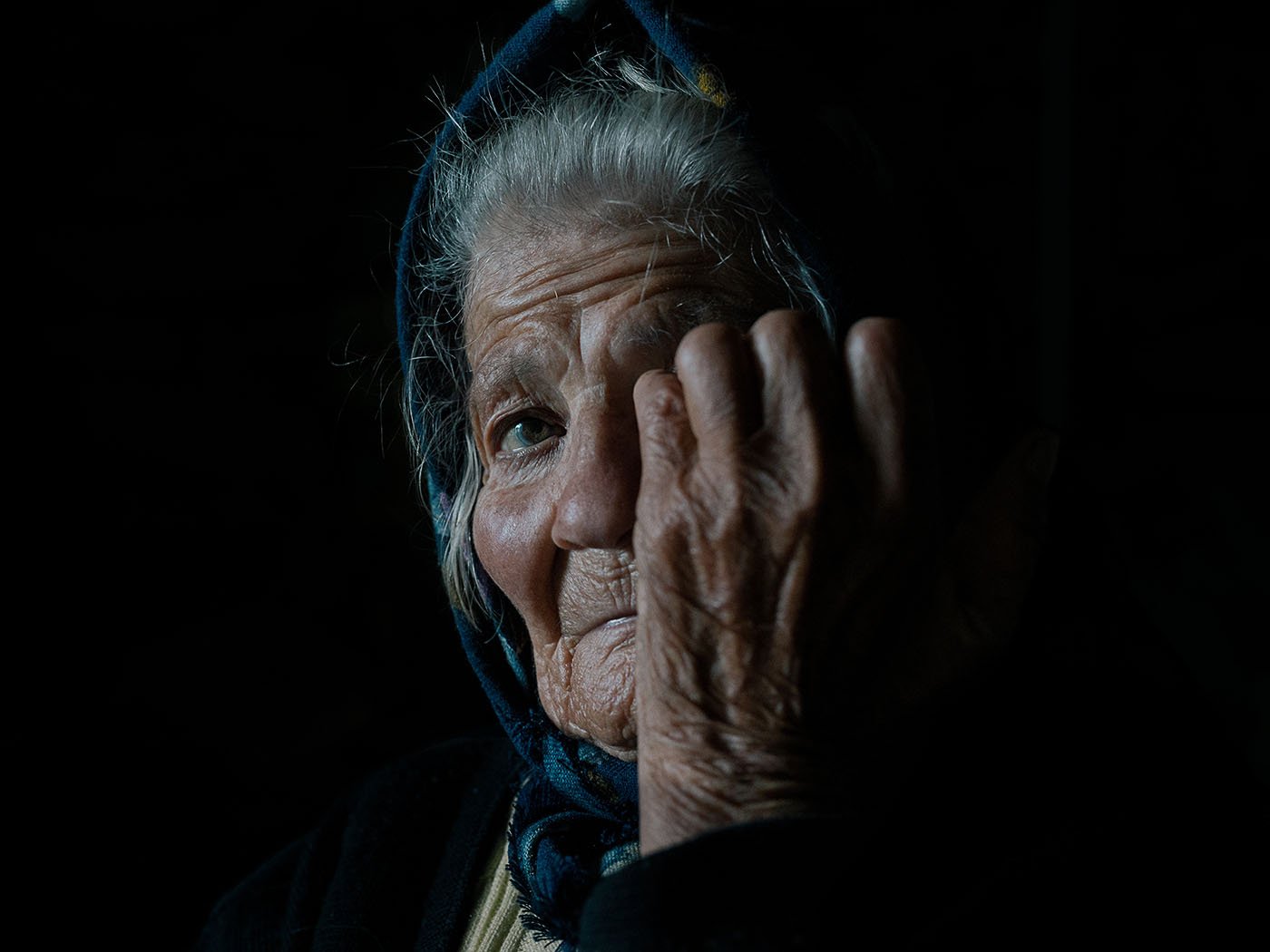
Olga is 91 years old and lived alone in a village in Lugo. A month ago her son, who lived in the city, was forced to come and live with her for fear that she might have a fall or a problem associated with her age and mobility. 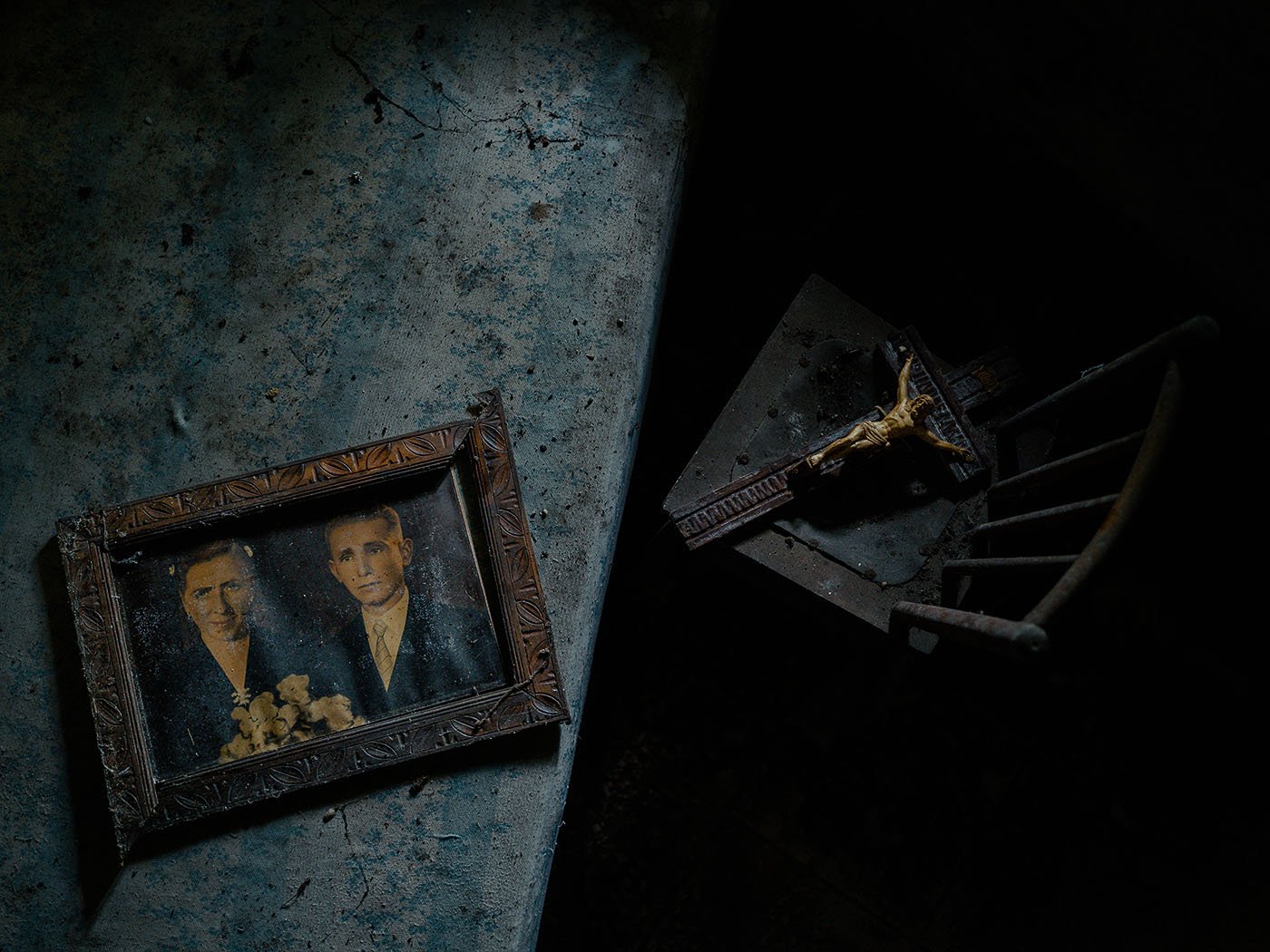
Luis lives alone in a house with no windows. The situation in which he lives evokes moments from the past. He says that he doesn’t change the windows or fix the house because when he dies nobody will live there and the few family he has emigrated long ago. 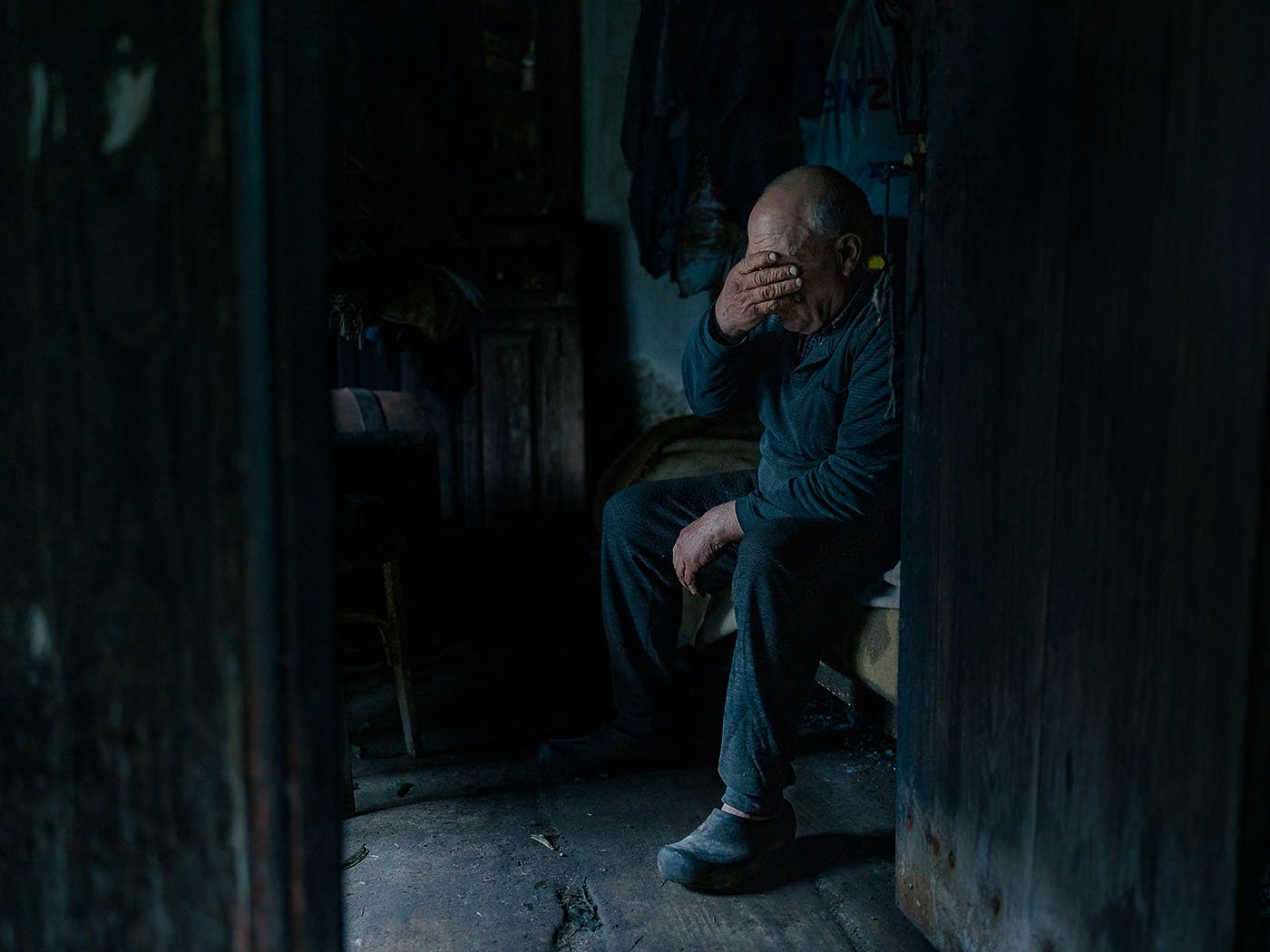
Luis lives alone in a house with no windows. The situation in which he lives evokes moments from the past. He says that he doesn’t change the windows or fix the house because when he dies nobody will live there and the few family he has emigrated long ago. 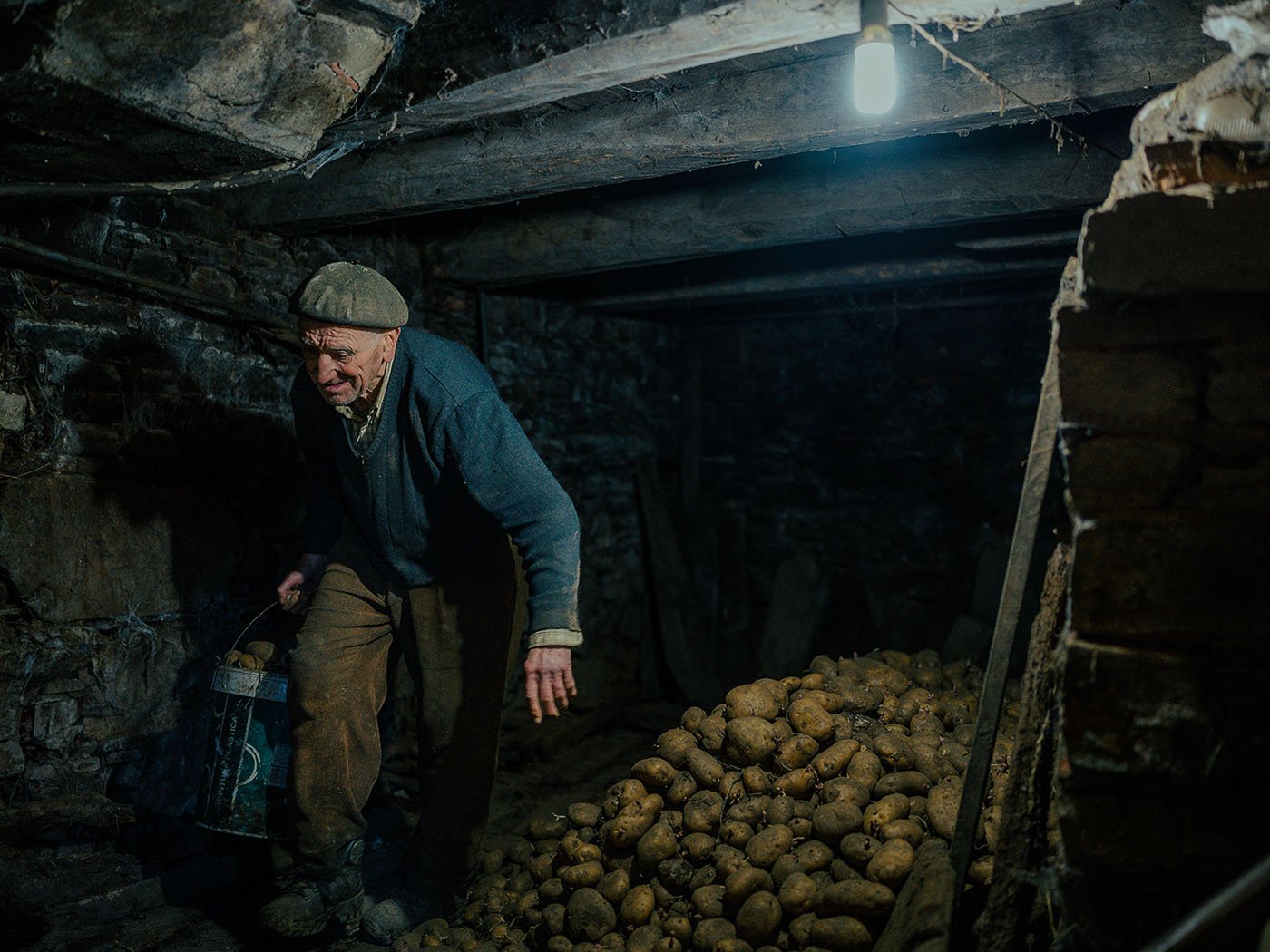
Domingo picks potatoes to make food. Domingo is 88 years old and lives alone in an isolated village in A Fonsagrada. 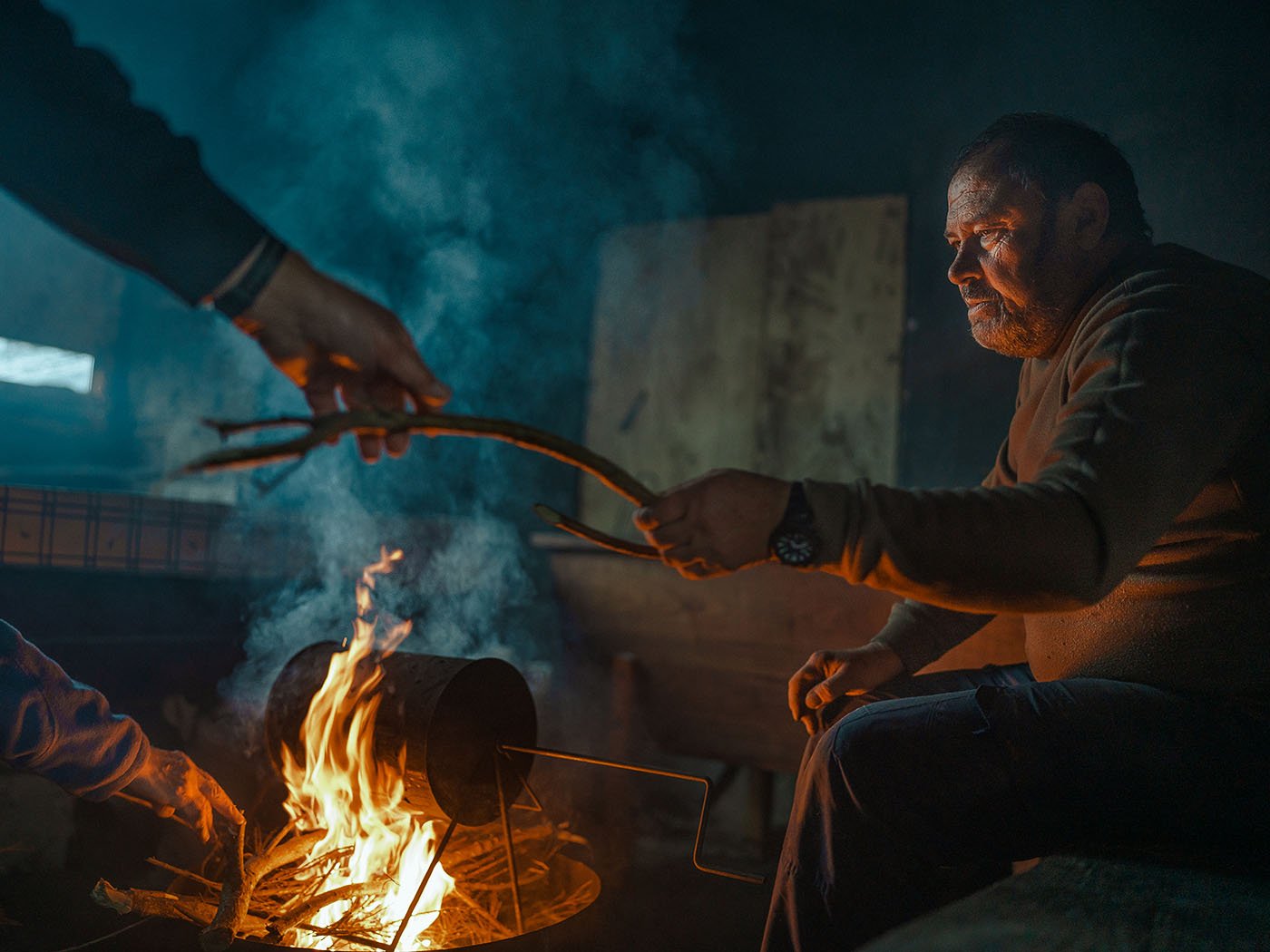
Santiago lives in Mostade, a village of about thirty houses, where only he and his octogenarian mother, whom he cares for, live all year round. Santiago prepares chestnuts on a rainy winter afternoon. 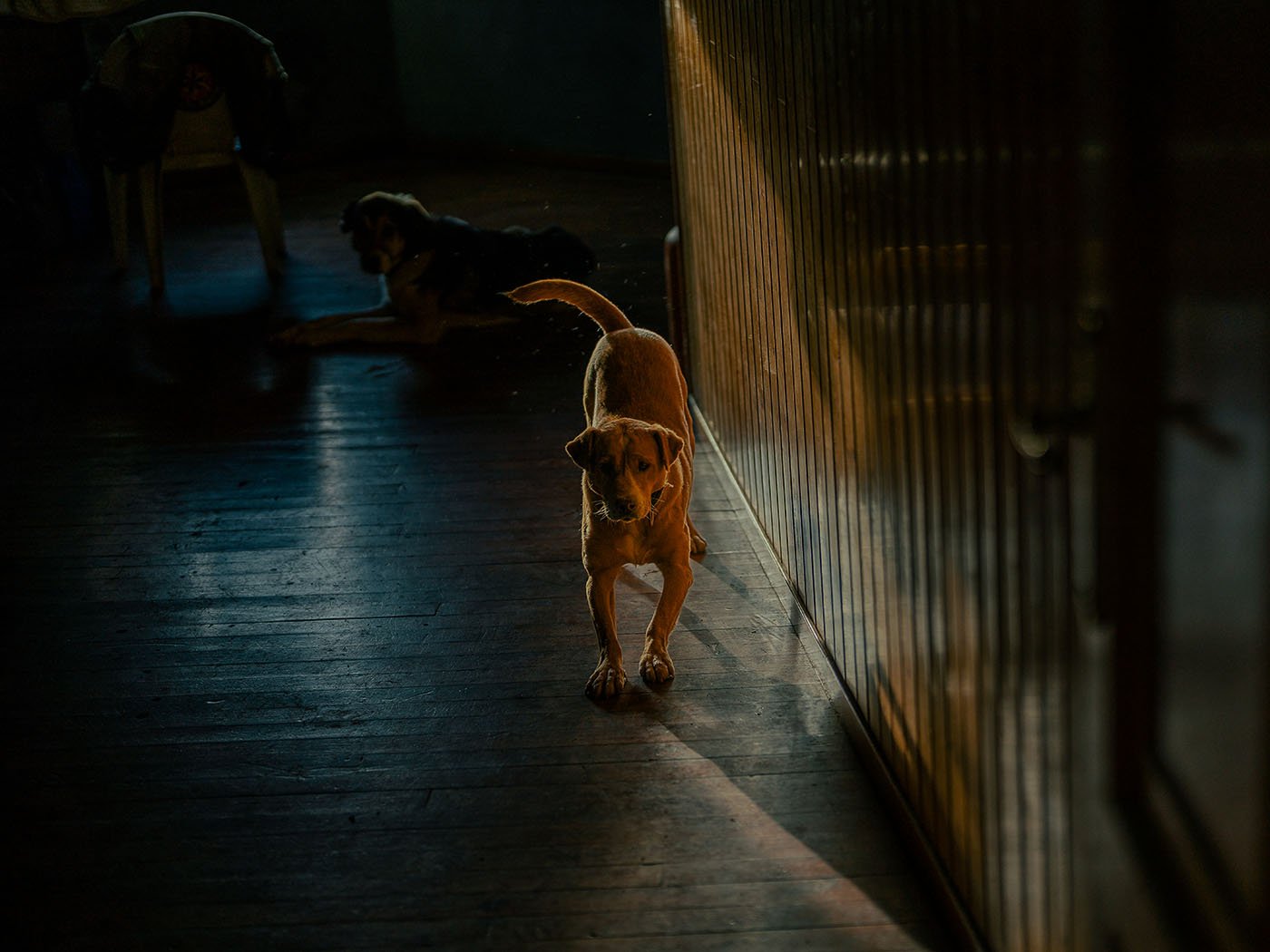
Luis has lived in Vilarbacú completely alone for more than fifteen years, his only company are his dogs. 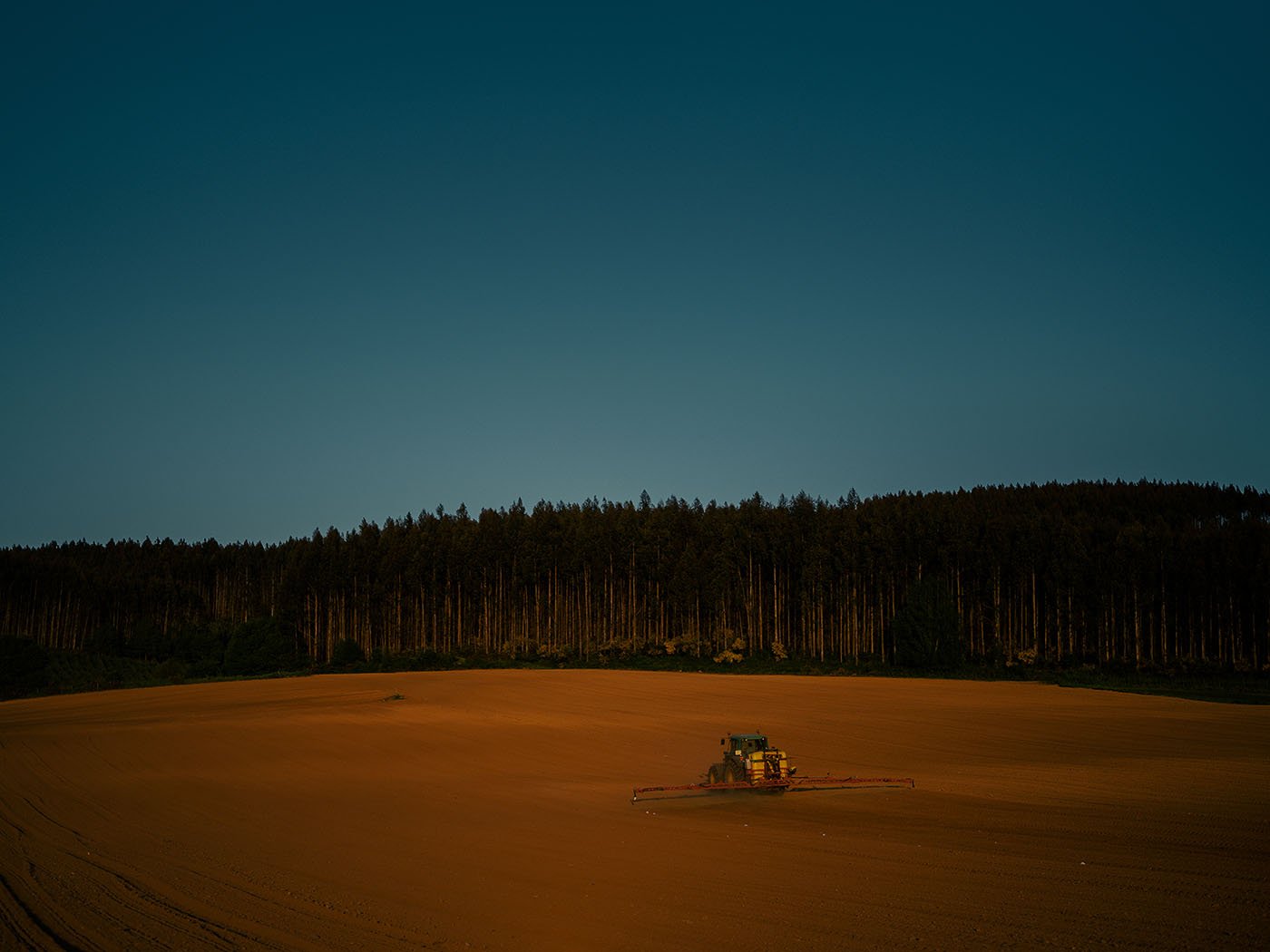
A tractor grows maize for a cow farm. The sector is in a deep crisis. 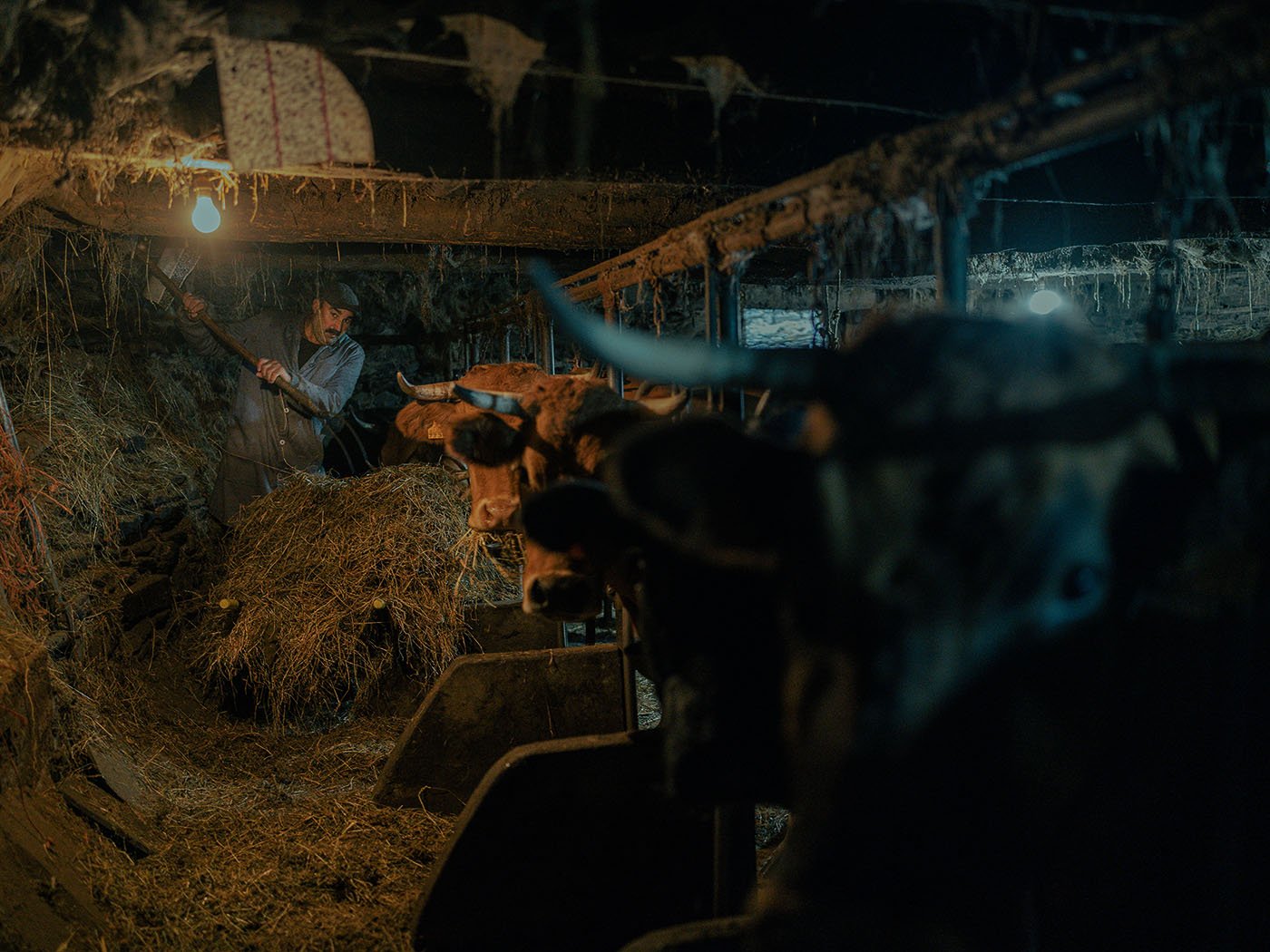
Carlos and Irene have a small beef cow farm. They say that nowadays they have a hard time because the prices they receive are the same as they were thirty years ago and all other products have gone up. 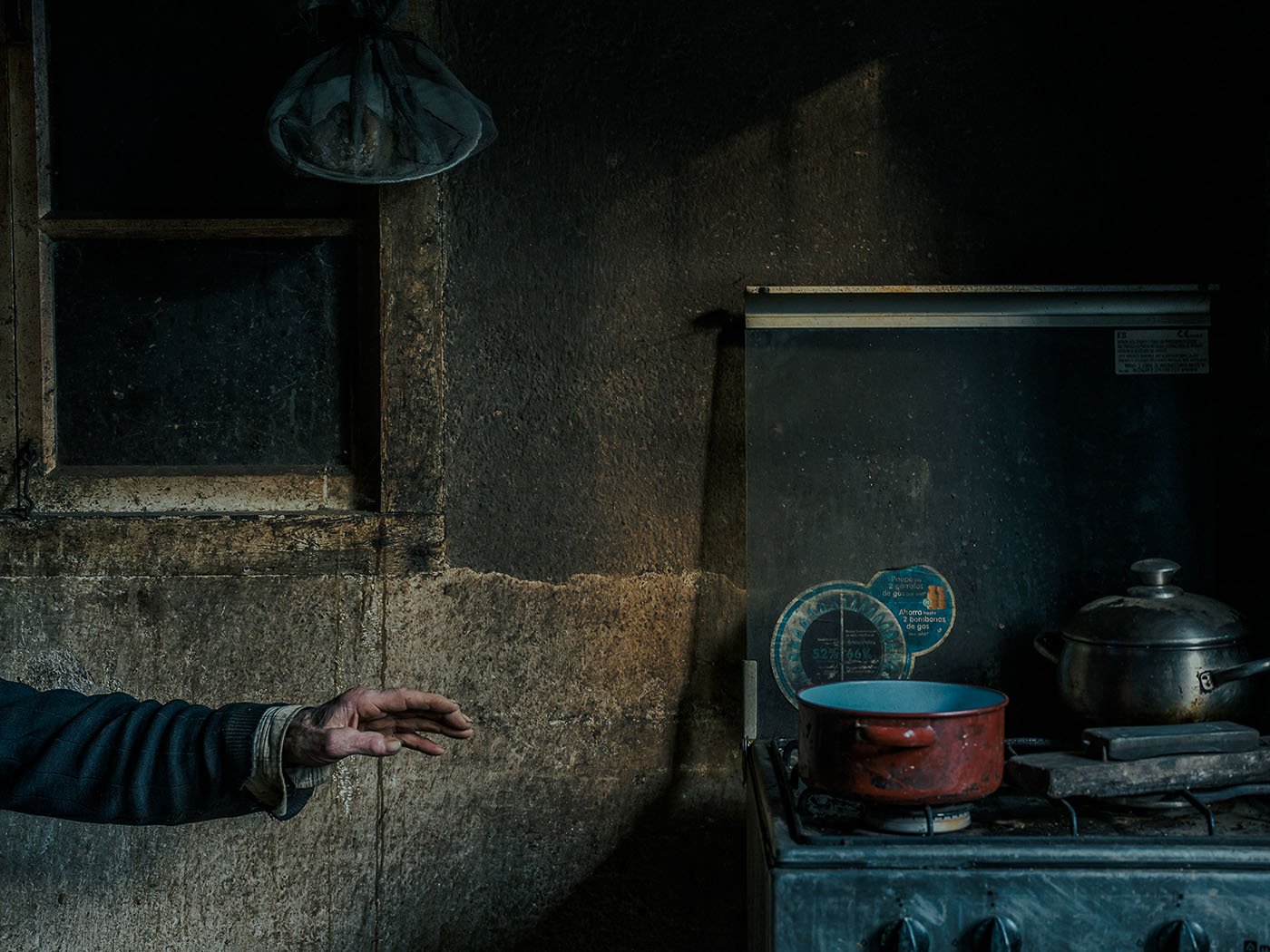
Domingo prepares his food. He lives alone in A Fonsagrada despite his advanced age and difficulty of movement. 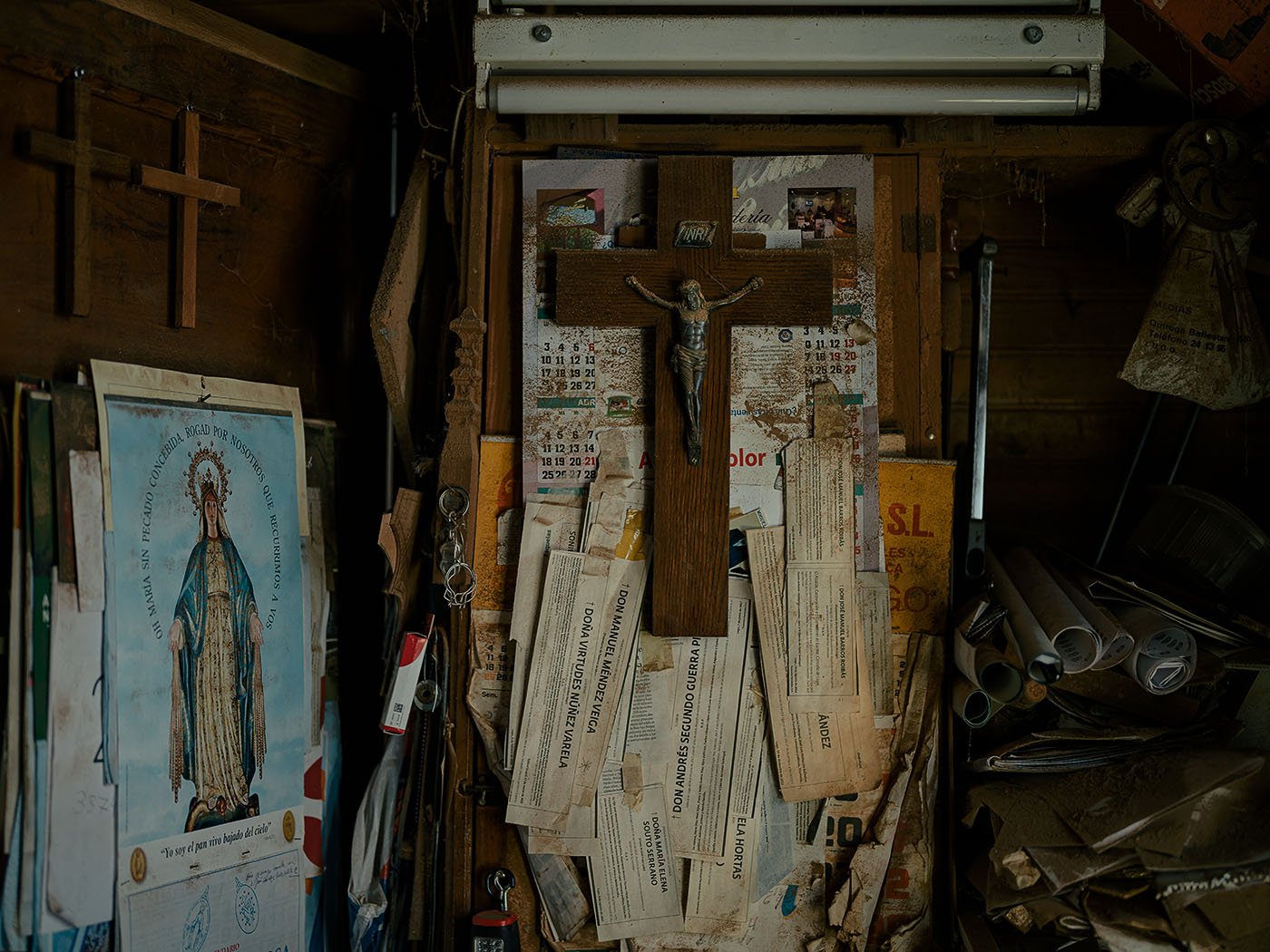
Paco is 89 years old and the obituaries of his neighbors and friends who have passed away are hanging next to this cross.
His conclusion is stark. “It’s quite desolate,” he says. The rural exodus that began en masse in the mid-20th century accelerated between the 1990s and the early 2000s. The calendars hanging in kitchens revealed the exact year a house was left behind. There was a time when he would only step out of his van if he saw smoke rising from a chimney.
For Pallón, the loss is not merely demographic. Words disappear — ways of naming an object from one hillside to the next — along with stories passed down orally. “Diversity is where richness resides,” he affirms. Yet he avoids romanticizing the past. Rural life in Galicia was physically harsh, marked by cold and relentless labor in a damp, mountainous land. He acknowledges that technological progress eased burdens, even if the cultural cost has been high.
Born in 1992 in Lugo — a city he describes as “a large village” — he grew up between urban and rural worlds. He studied Engineering and Physics before photography appeared almost by chance. In his early years, he believed firmly in its transformative power. Over time, his gaze became more complex. “What interests me most is the power of the image to generate questions,” he says. For him, photography suggests; answers must be sought afterward.
His most recent work, included in the book LUMES, deepens this exploration of Galician territory. He is currently developing two new editorial projects: one on the wild horses that inhabit the mountains and act as natural agents against forest fires, and another on Galicia’s fractured coastline, whose more than 2,500 kilometers make it one of the longest and most intricate in Europe.
Pallón works almost exclusively in Galicia. “For me, it’s a very different place,” he says, even emphasizing his cultural closeness to northern Portugal more than to southern Spain.
In his photographs, the fog is not merely weather; it is a persistent atmosphere that envelops empty houses and faces marked by time. His work has become a visual archive of what is vanishing. And when asked whether we are witnessing the foretold death of rural Galicia, he answers without hesitation: “Yes. I believe we are.”