
Andean Cyborgs Reimagine the Future

“Post-human Women and Cyborg Dreams of + Beings in the Andes” is a visual essay begun in 2023 in the department of La Paz, Bolivia, rooted in its highland towns and in the city of El Alto. 
Coca, Modification, Ritual 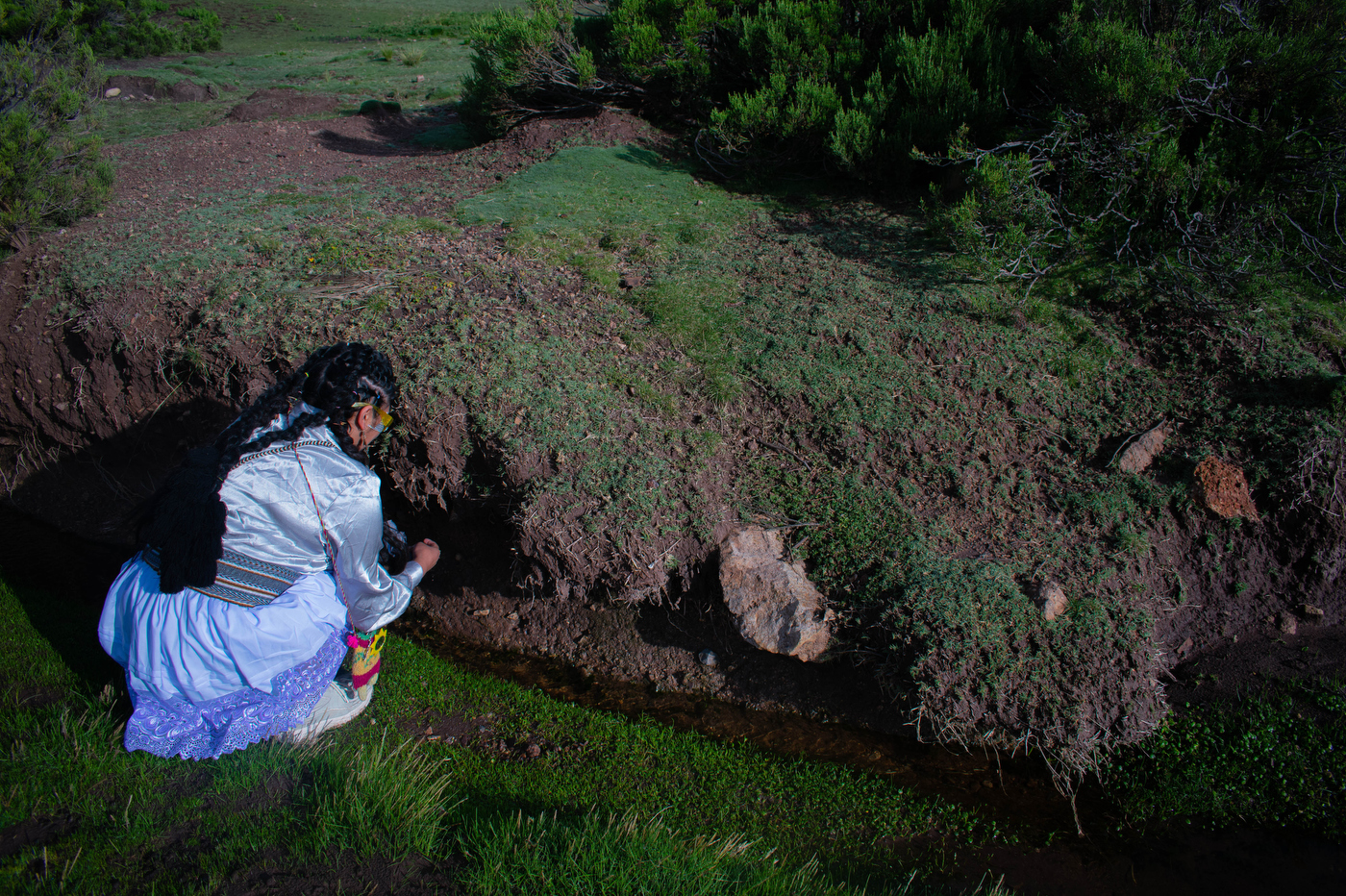
Water, City, Halos 
Sun, Mourning, Woman 
Chip, Signal, Alpaca 
Lunar Chakana, Adobe, Evocation 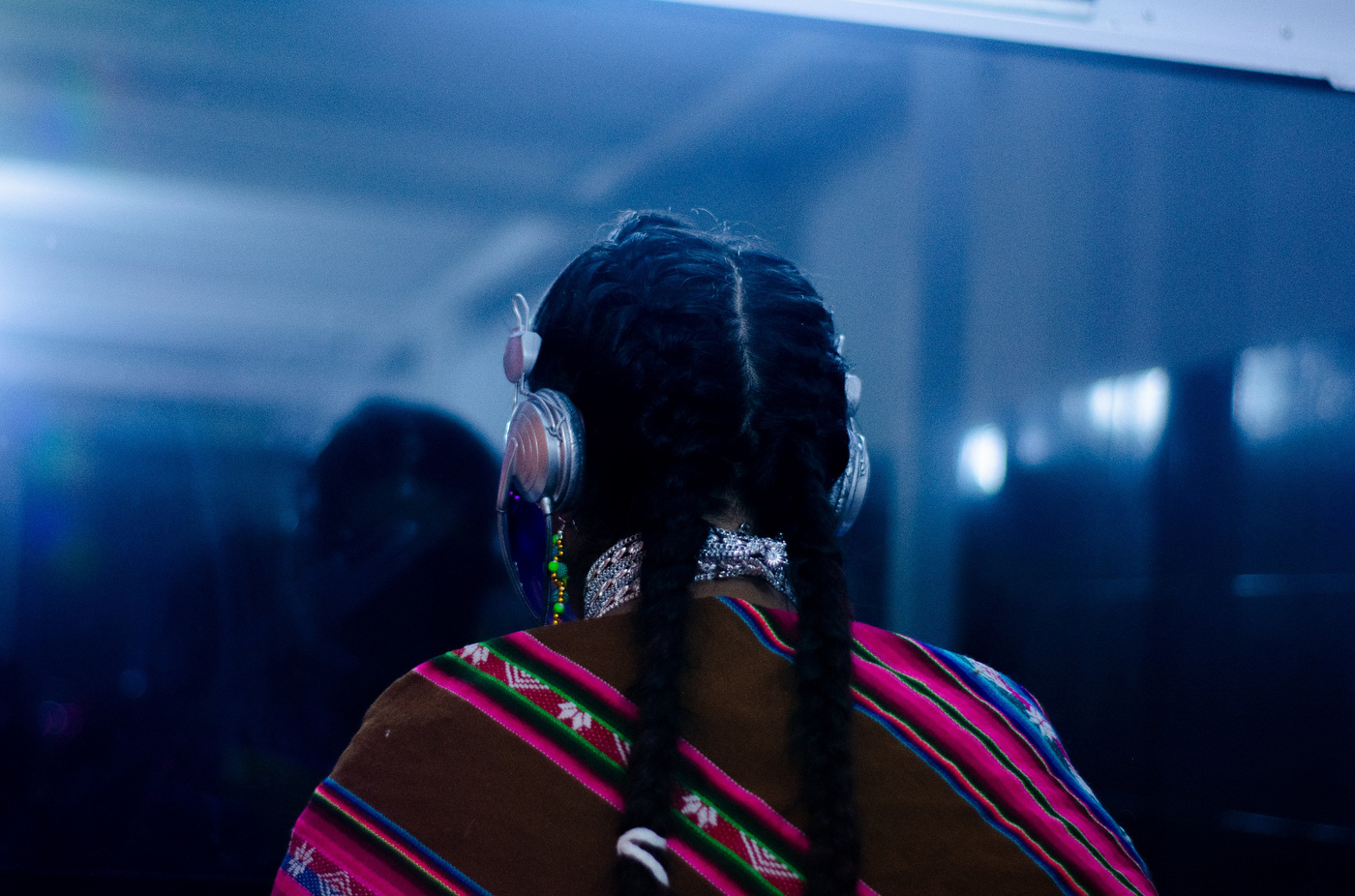
Dimension, Emulation, Play 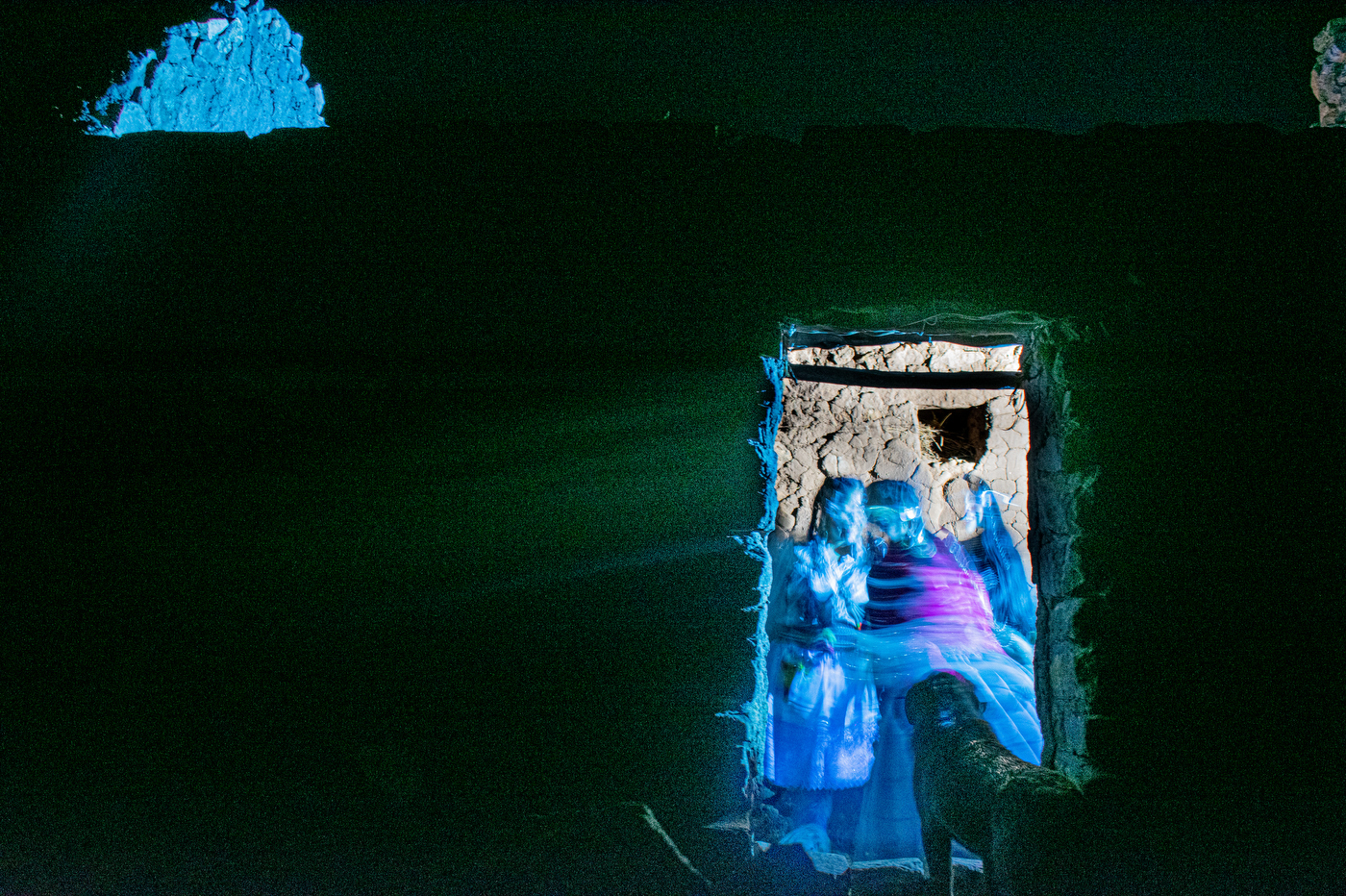
Conspiracy, Festivity, Night 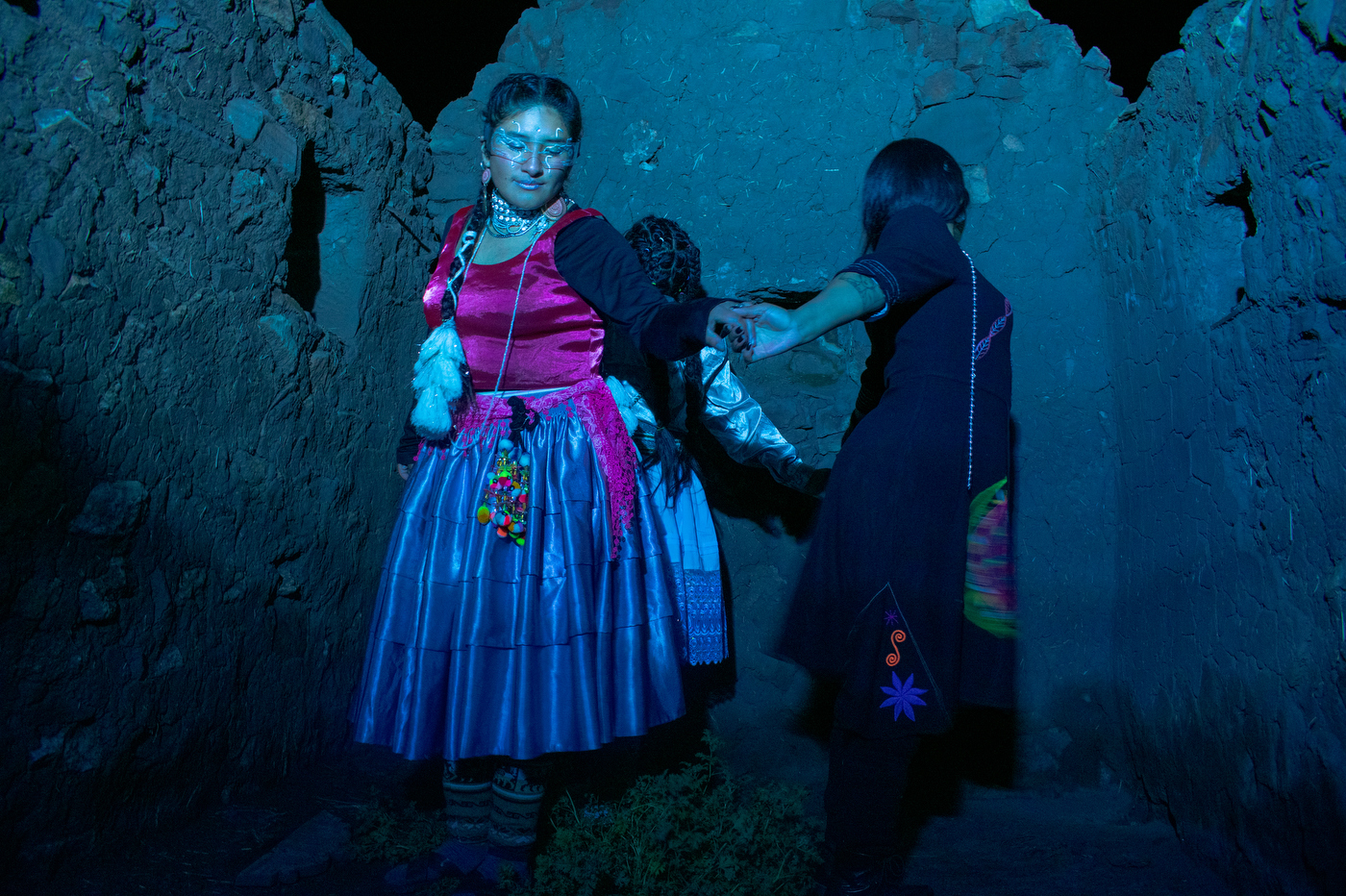
Conspiracy, Festivity, Night 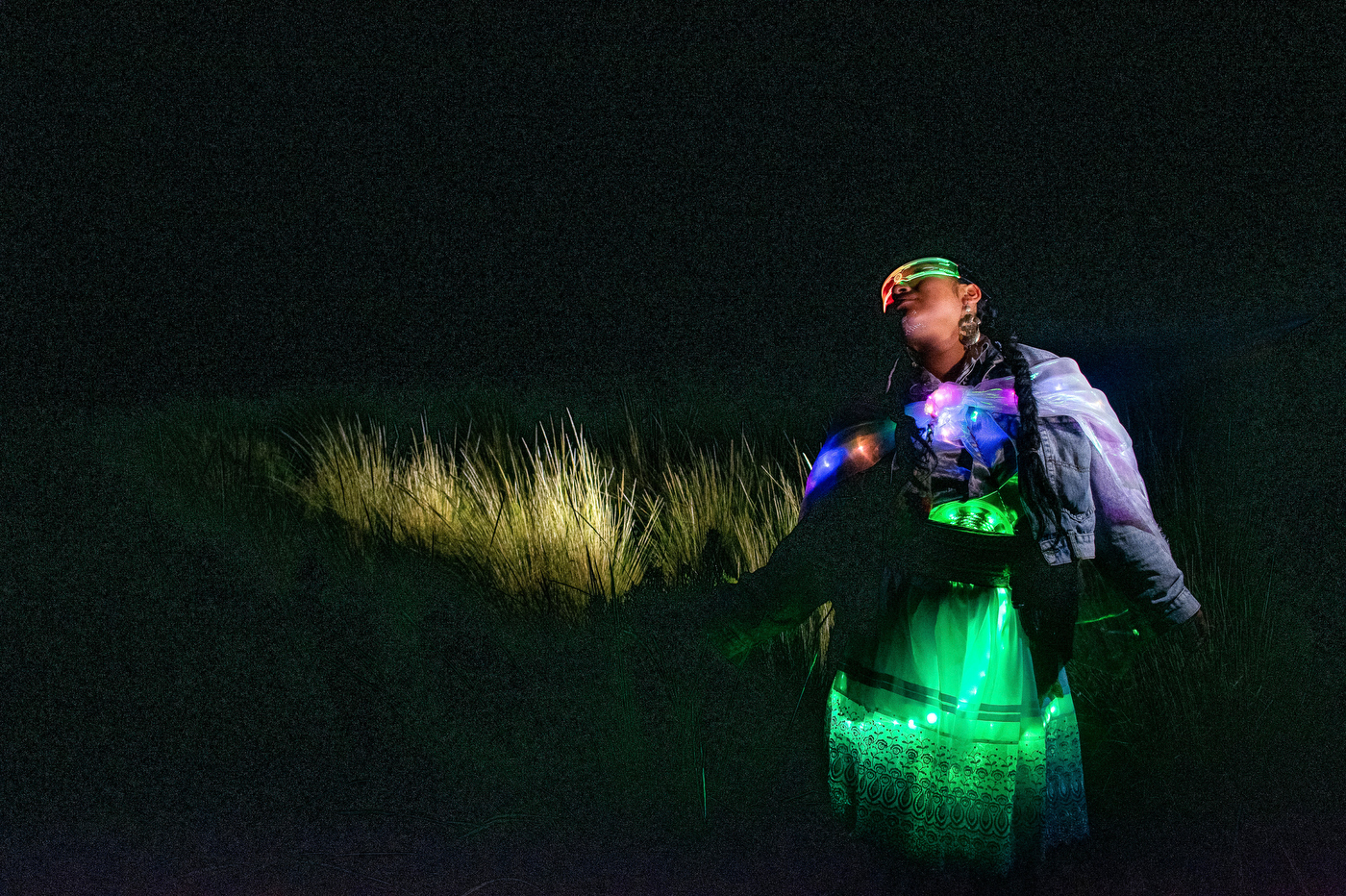
Dance, Wild Grass, Dawn 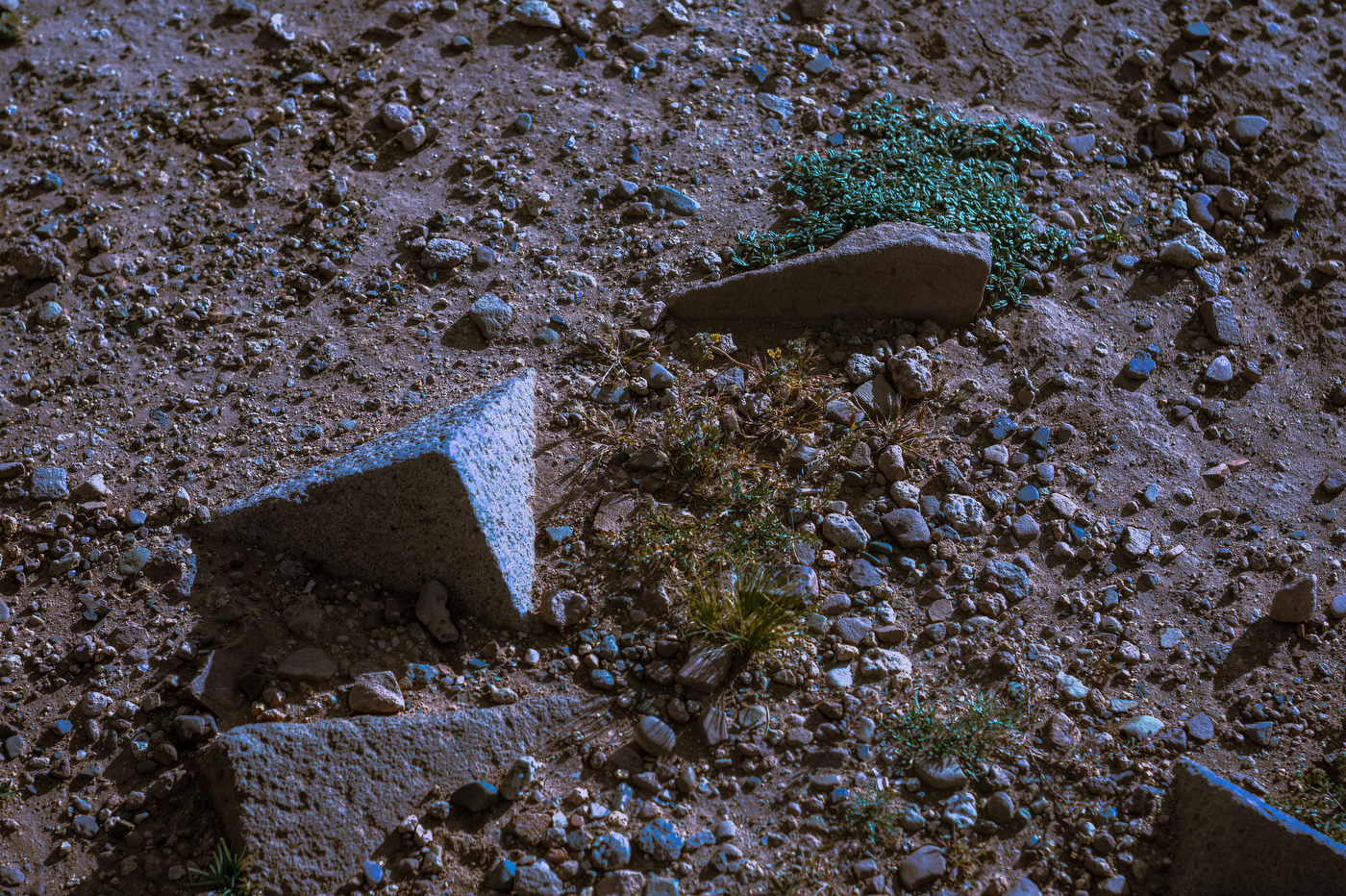
STONE, ASCENT, SCEPTER 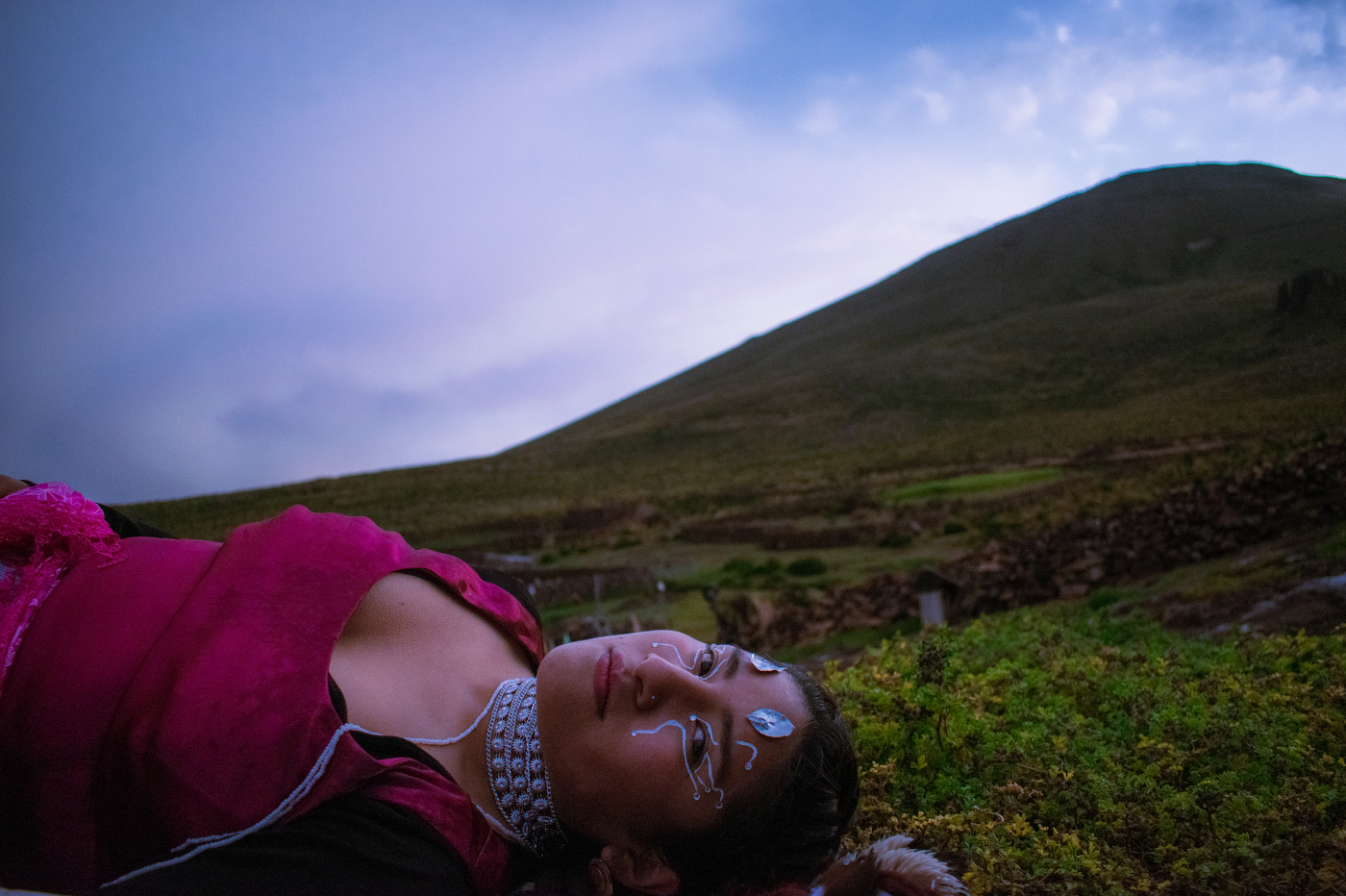
MEMORY, ADAPTATION, HORIZON 
PLANT, BRANCHING, MUTATION 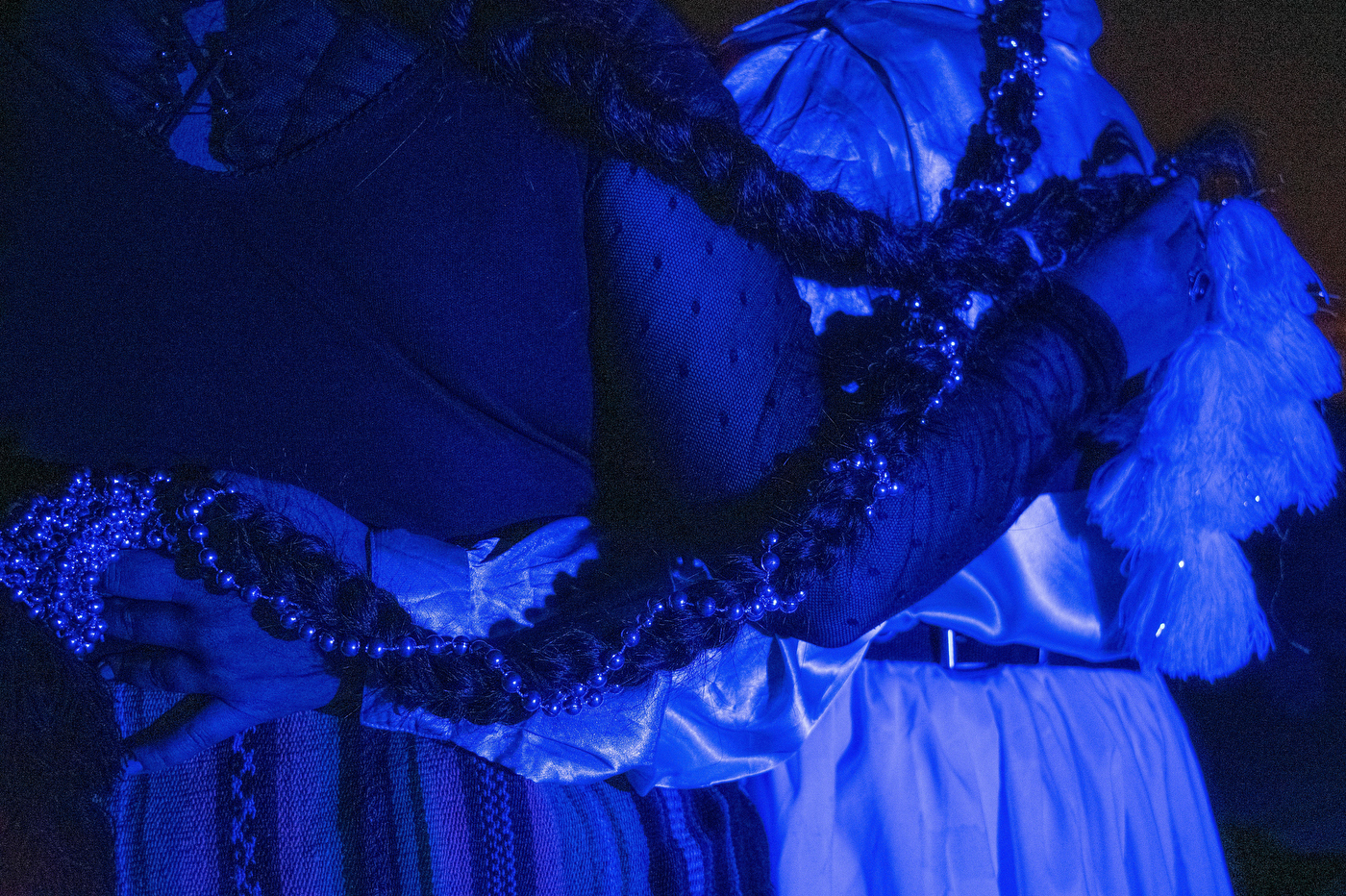
UPBRINGING, BRAIDS, WOMEN 
STARS, GLITCH, WOMAN 
WATER, CITY, HALOS 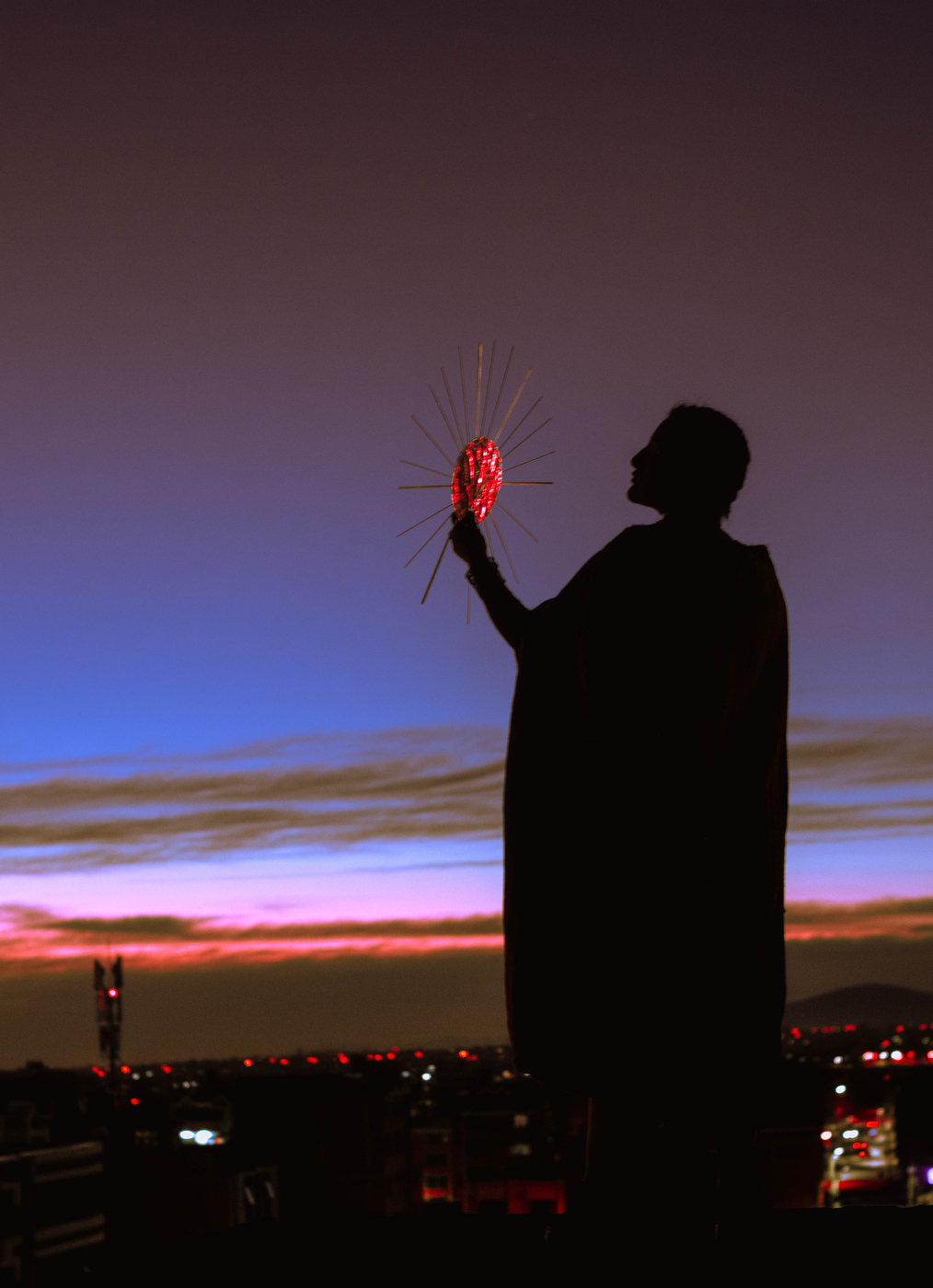
CITY, AERIAL, JOURNEY, CONTEMPORARY
Interview by Pamela Cruz / Terra360
At more than 4,000 meters above sea level, in the city of El Alto, where urban growth advances at the rhythm of the cable car and geometric façades rise over the high plateau, a group of women pose in inherited polleras, urban sneakers, and sunglasses reflecting the Andean sky. It is neither a nostalgic evocation of the past nor an imported futuristic fantasy. It is Post-human Women and Cyborg Dreams of + Beings in the Andes, the visual essay for which Bolivian photographer Noemí González Cabrera was awarded by POY LATAM—an essay that proposes a future imagined from within Andean memory.
“It is a generational and identity-based manifestation,” González Cabrera explains. The project, begun in 2023 and completed in mid-2024, emerged as a search that is not merely personal, but collective and genealogical. It explores not only her own roots—marked by mining histories from northern Potosí and family traditions tied to the Lake Titicaca region—but also those of her companions, young women inhabiting a hybrid identity in a city traversed by globalization.
The protagonists of the series—Carla, Pamela, Cristal, and in some images Wendy—are not models or actresses; they are friends and collaborators in the creative process.
“They are my friends… companions I have met along the artistic path and through writing,” she says. Together, they imagine a future community in which the Andean does not dissolve before modernity but dialogues with it from its own agency.
The conceptual spark was born in literature. The novel De cuando en cuando Saturnina, by anthropologist Alison Spedding, imagines Andean chola women trained for space travel in a future Bolivia. “It was the first inspiration… the project is entirely about women because in the novel those images are projected,” the photographer explains. To this reference were added readings on transhumanism and the thought of Donna Haraway.
“People today can generally be considered cyborgs because they already depend on various artifacts worn on their bodies,” she states. In that context, a pair of glasses ceases to be a trivial accessory and becomes a technological extension of the body; a tattoo simulating a chip suggests a possible physical augmentation. Yet technology is not the center of the narrative; the heart of the project is community and the capacity to imagine oneself beyond colonial gazes.
The locations reinforce this tension between the ancestral and the contemporary. The photographs were taken in the El Alto cable car, on terraces overlooking a city in accelerated expansion, in Tiwanaku—archaeological epicenter of one of the most influential cultures of the high plateau—and in Berenguela, a remote village reached after a five-hour journey on a bus that departs only once a week. There lives the father of one of her companions, a breeder of camelids.
“We used places we are familiar with, where a personal and communal history flows, where ancestral practices are still taking place,” she recounts.
El Alto’s architecture also forms part of the visual discourse. The city displays multicolored buildings known as “cholets,” where bold geometries coexist with references to global pop culture and patterns inspired by Tiwanaku iconography—an urban aesthetic that, far from erasing the Indigenous, re-signifies it.
The clothing reinforces that hybridity. Nothing was rented.
“We didn’t go looking for polleras or shawls; we took them from our homes,” she emphasizes, noting that a pollera—skirt—combined with sneakers for practicality, shawls inherited from mothers and grandmothers, garments that form part of their everyday lives. “This is what represents my identity now.” The makeup and some accessories were produced for the series, but the foundation of the wardrobe belongs to their own closets.
González Cabrera was born in 1998 in La Paz. She learned photography in a self-taught manner and began experimenting at age eleven with disposable analog cameras that she reloaded with 35mm film. “It was during family trips that my love and practice of photography began.”
She studied Social Communication at the Universidad Mayor de San Andrés and is currently pursuing a degree in History, training that has strengthened her sociological and ethnographic gaze.
Before this project, she worked on documentary records of urban subcultures, punk communities, and women skaters, because “It’s not only about documenting; it’s about creating images,” she reflects, referring to her shift toward a more symbolic and conceptual construction.
The process was collective and patient. Half a year of conversations preceded the first session on the cable car, followed by encounters in Berenguela, Tiwanaku, and on the terrace of a family building. The project was self-financed and self-managed; the final selection and editing were debated as a group.
Today, the photographer deepens her research into Andean ontologies and the agency of the material. In rituals such as the ch’alla—an Andean tradition of offering drinks and blessings to the earth, homes, or even automobiles during Carnival—she observes how technological objects are treated as living entities that accompany everyday life.
This vision runs through the entire series: bodies, landscape, technology, and memory coexist without hierarchies.
In the images of Post-human Women, the women do not look to the past with nostalgia nor accept an imposed future; they situate themselves in an expanded present where memory is not an obstacle to modernity, but its point of departure.
In El Alto, the future does not arrive from distant laboratories: it is woven in pollera, walked in sneakers, and projected beneath an Andean sky that has seen empires fall and rise again. There, the cyborgs are already imagining what comes next.