The Politics of Fear Behind Kast’s Victory in Chile
José Antonio Kast’s victory in Chile is not explained by votes alone, but by the success of a narrative that turned insecurity and migration into a single story of fear.
Through testimonies, data, and expert voices, this report explores how the far right capitalized on a perception that does not always align with reality — and why even a solid democracy may feel tempted to sacrifice freedoms in exchange for order.
*This article was originally published on December 18, 2025, in Sin Embargo, as part of the work of the Democracy in Action Lab at Stanford University.
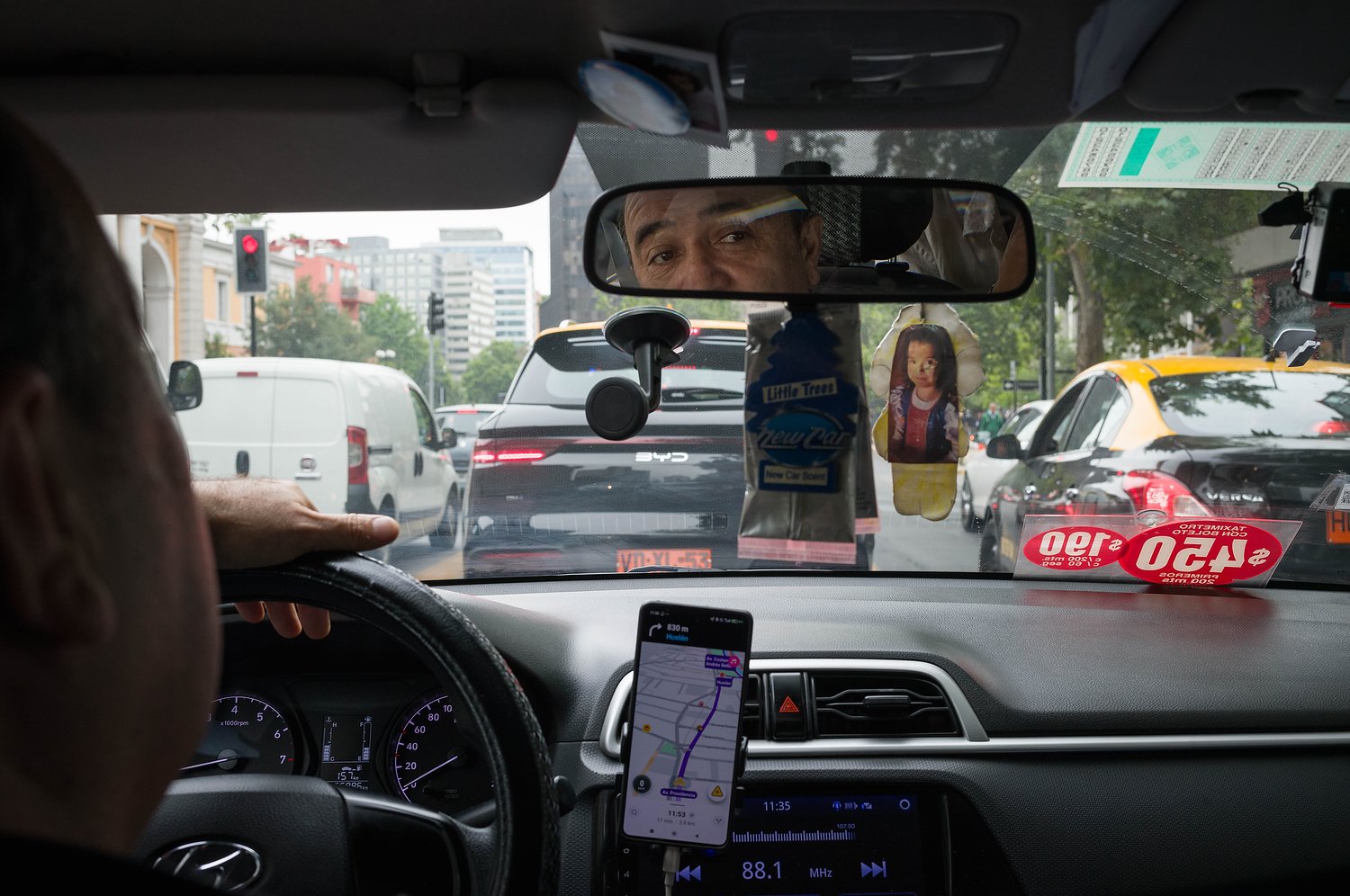
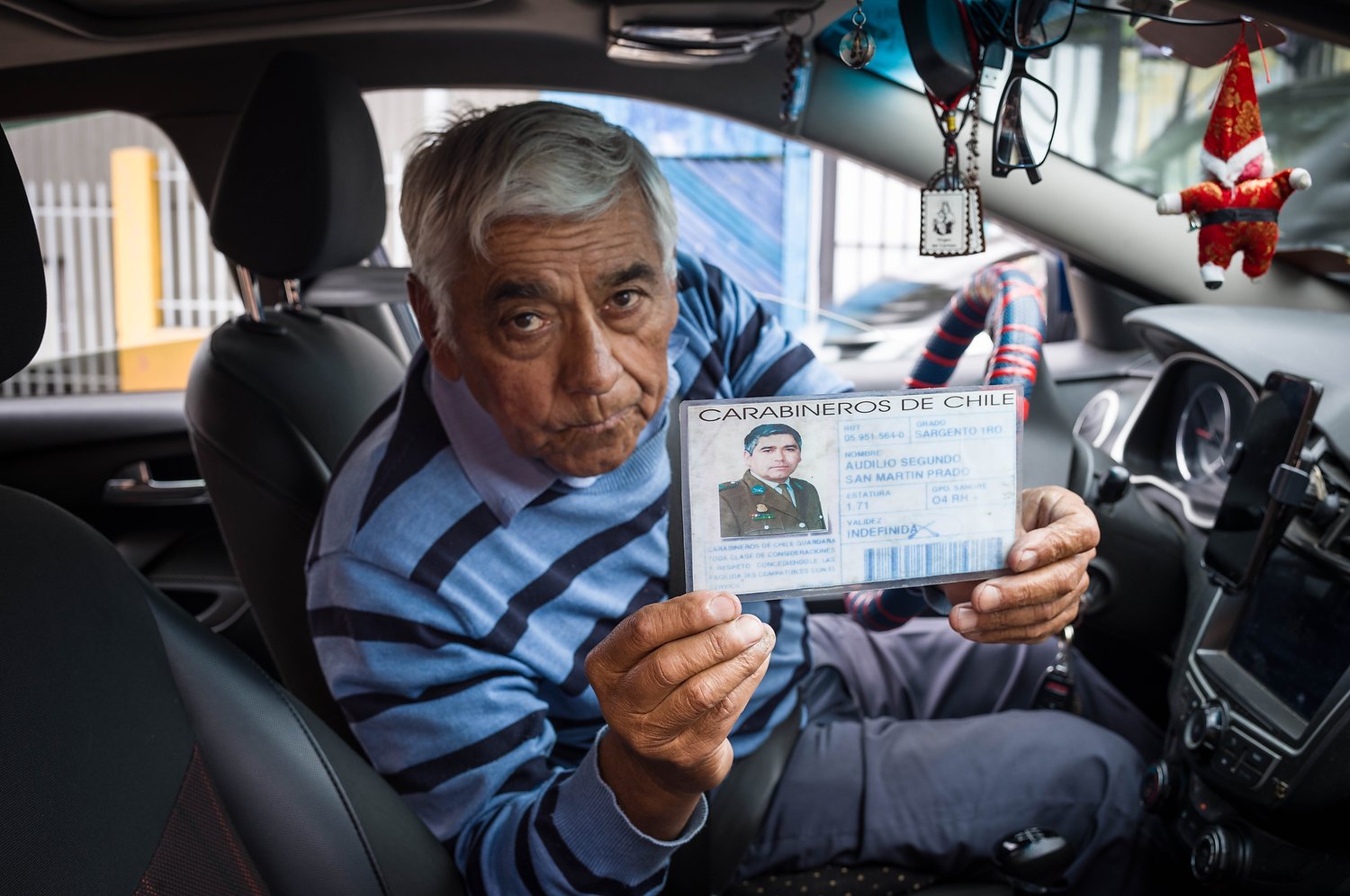
For Rodrigo, a taxi driver with 25 years in the profession in Santiago de Chile, “there is no possibility that, under democracy, the country’s main problem will be solved: crime and immigration” — two issues that the President-elect, José Antonio Kast, for whom the driver voted, placed in the same basket throughout the campaign that led him to electoral victory.
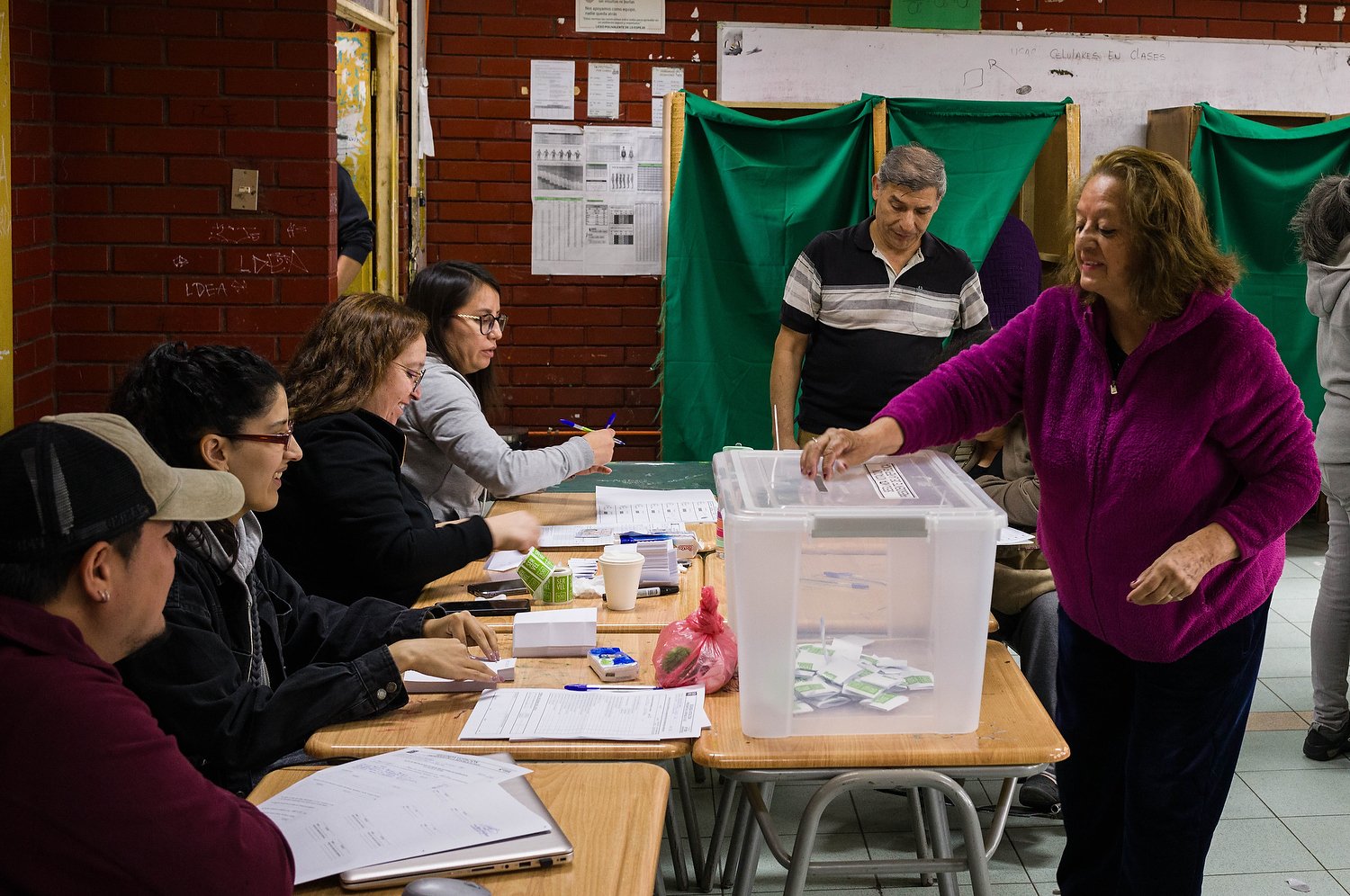
After defeating Jannet Jara Roman of the Communist Party, Kast will take office as head of state on March 11, 2026. Although he won by a wide margin and will become the most voted president in Chile’s history — largely because voting is now mandatory — he is not a politician known for charisma or broad popularity.
Kast has a long political trajectory, though until these elections he had achieved few significant accomplishments. He was a member of the controversial Independent Democratic Union (UDI), founded by Jaime Guzmán, the ideologue of Augusto Pinochet’s dictatorship. Later, he co-founded the Republican Party and served as a congressman for 16 years, with virtually no major achievements.
Yet Kast and Chile’s far right managed to capitalize on — and at times inflate, with the support of right-leaning media outlets — public dissatisfaction over insecurity.

According to the Republican Party’s website, in its section on the “Implacable Plan” — a prison proposal by Kast that includes building maximum-security facilities with “total isolation for drug kingpins” and “no visits, no outside contact” — Chile has been “struck by one of the worst security crises in its history.”
Kast’s discursive axis — insecurity and immigrants — resonated across social classes and age groups in Chile.
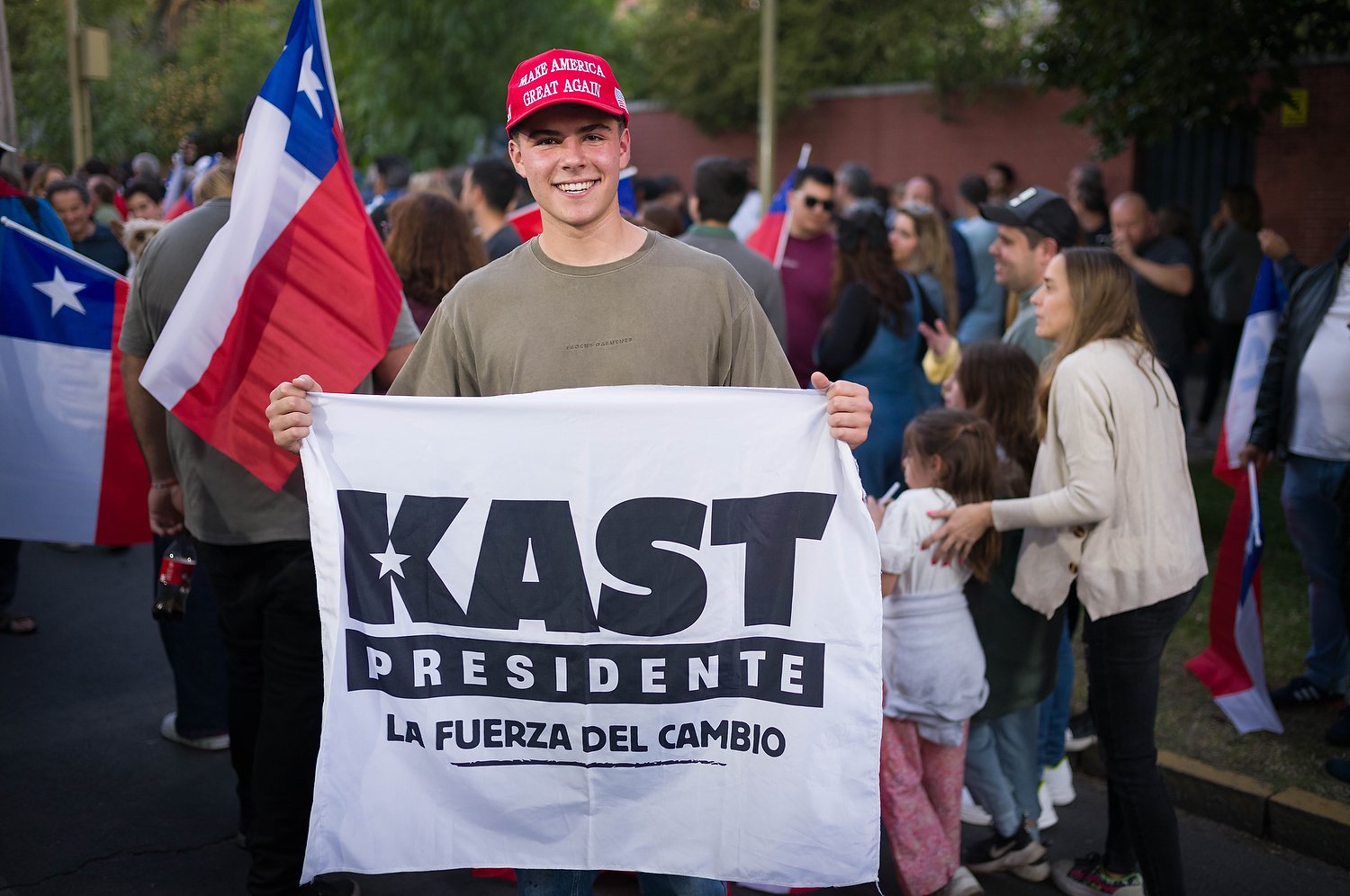
Alonso Saa, 18, celebrated Kast’s victory in the exclusive Santiago district of Las Condes, where the official celebration took place. “Chile needs a strong hand,” he said. “I voted for him because my friends and I can’t go out on the streets anymore because of the violence immigrants bring.”
Echoing Donald Trump’s slogan, another young man at the same Las Condes event, wearing the former U.S. president’s signature cap, exclaimed: “Let’s make Chile great again.”
In reality, Chile is one of the safest countries in Latin America, with a homicide rate of 2.5 per 100,000 inhabitants. The country even recorded a 13.8% decrease in homicide victims during the first half of 2025 compared to the same period in 2024, according to data from the Ministry of Public Security.
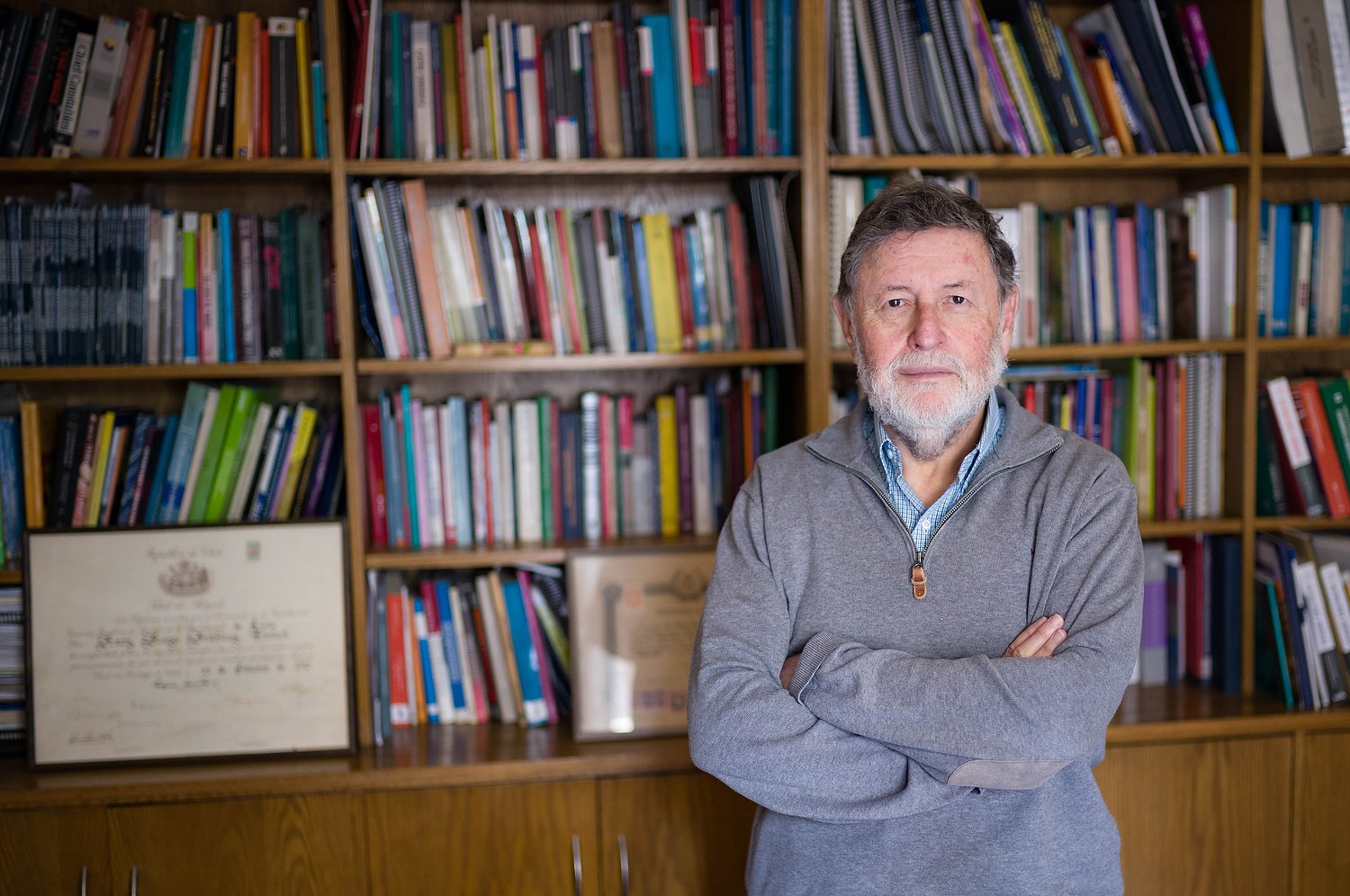
However, “under certain circumstances, Chileans — like people in other countries — are willing to sacrifice freedom, democracy, and representation in exchange for public order,” said Hugo Fruhling, a security scholar at the University of Chile’s Faculty of Government.
Although the widespread perception of insecurity does not fully correspond with the hard data — nor entirely with Kast’s messaging — it is nonetheless real, Fruhling argued. The founder of the Center for Studies on Citizen Security said that since the pandemic there has been an increase in forms of violence previously uncommon in Chile: armed confrontations among criminal groups, contract killings, and the appearance of murdered bodies in the streets without clear motives.
Some perpetrators of this violence, he noted — as well as some victims — are of Venezuelan and Colombian origin, among other nationalities.
It is worth emphasizing that, despite many interviewees attributing what they describe as a “violence crisis” to immigrants, there is no evidence of a causal relationship between immigration and crime.
“Without fear of exercising authority,” one of Kast’s campaign phrases, reminds us that the ‘iron fist’ and security-centered rhetoric — and at times their linkage to immigration — have yielded substantial political returns for the right across the Americas. These gains have often translated into democratic backsliding and erosion of due process. Donald Trump and Nayib Bukele, two figures admired by Kast, are examples.
Manuel Ortiz
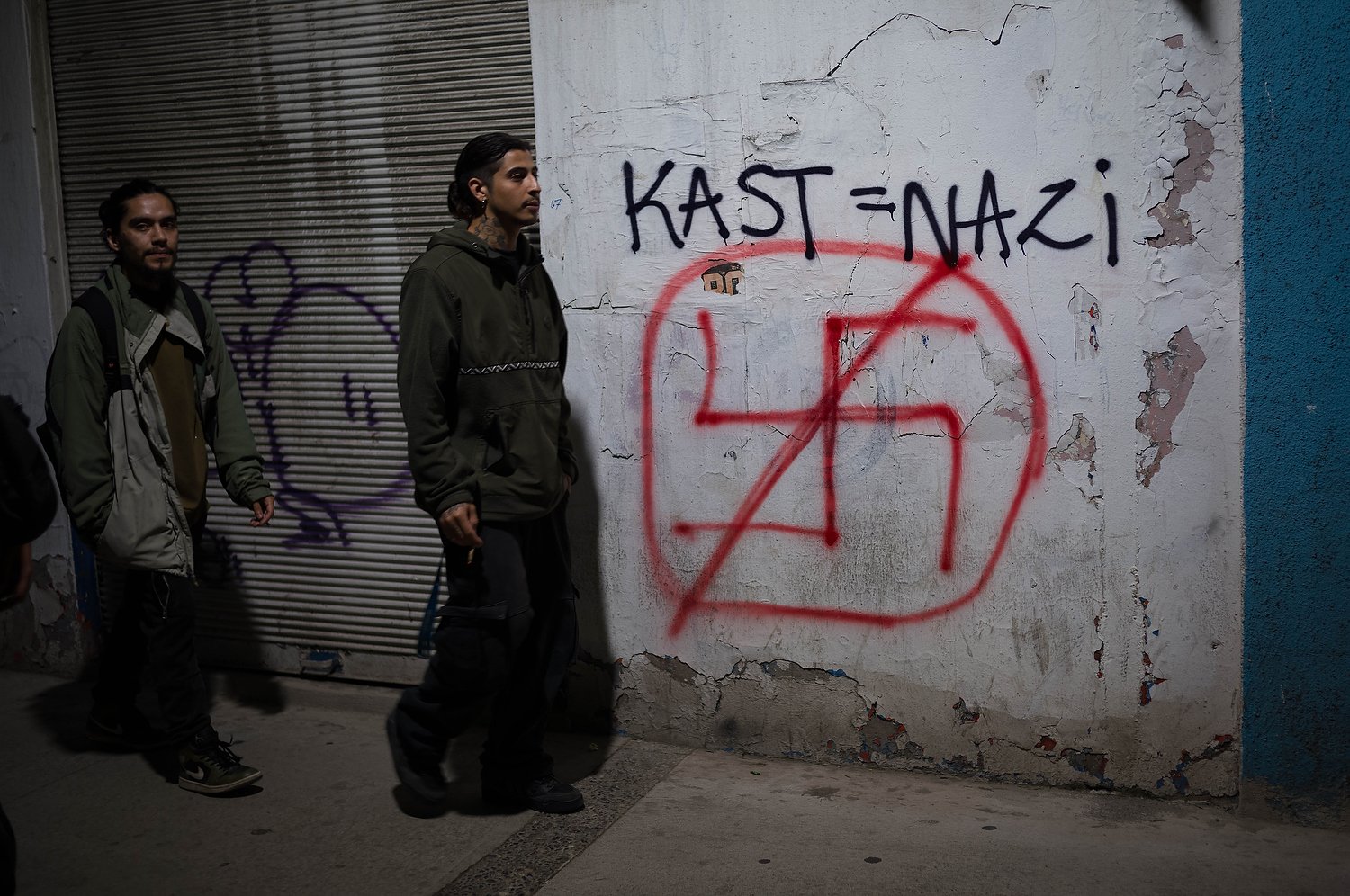

Chile will, for the first time, have a president who openly defends Pinochet’s dictatorship. What comes next remains uncertain. Some sectors fear a possible return of brutal state repression. Others trust in the resilience of Chile’s democracy.
Despite intense political polarization across Latin America — including chaotic elections such as the recent one in Honduras, or significant democratic setbacks as in El Salvador — Chile’s election unfolded in an orderly, transparent, and peaceful manner.
Outgoing President Gabriel Boric, along with candidates Jara and Kast, have maintained respectful dialogue, projecting institutional stability and social cohesion.
In addition, Chile has strong autonomous institutions — including the Central Bank, the Comptroller General’s Office, the Electoral Service (SERVEL), and the Constitutional Court — which enjoy legitimacy and act as barriers against democratic backsliding, authoritarianism, or constitutional breakdown.
Nevertheless, fears persist regarding potential regressions in civil and social rights, as well as repression against migrants, political opposition sectors, feminists, human rights defenders, and the LGBTQ+ community.

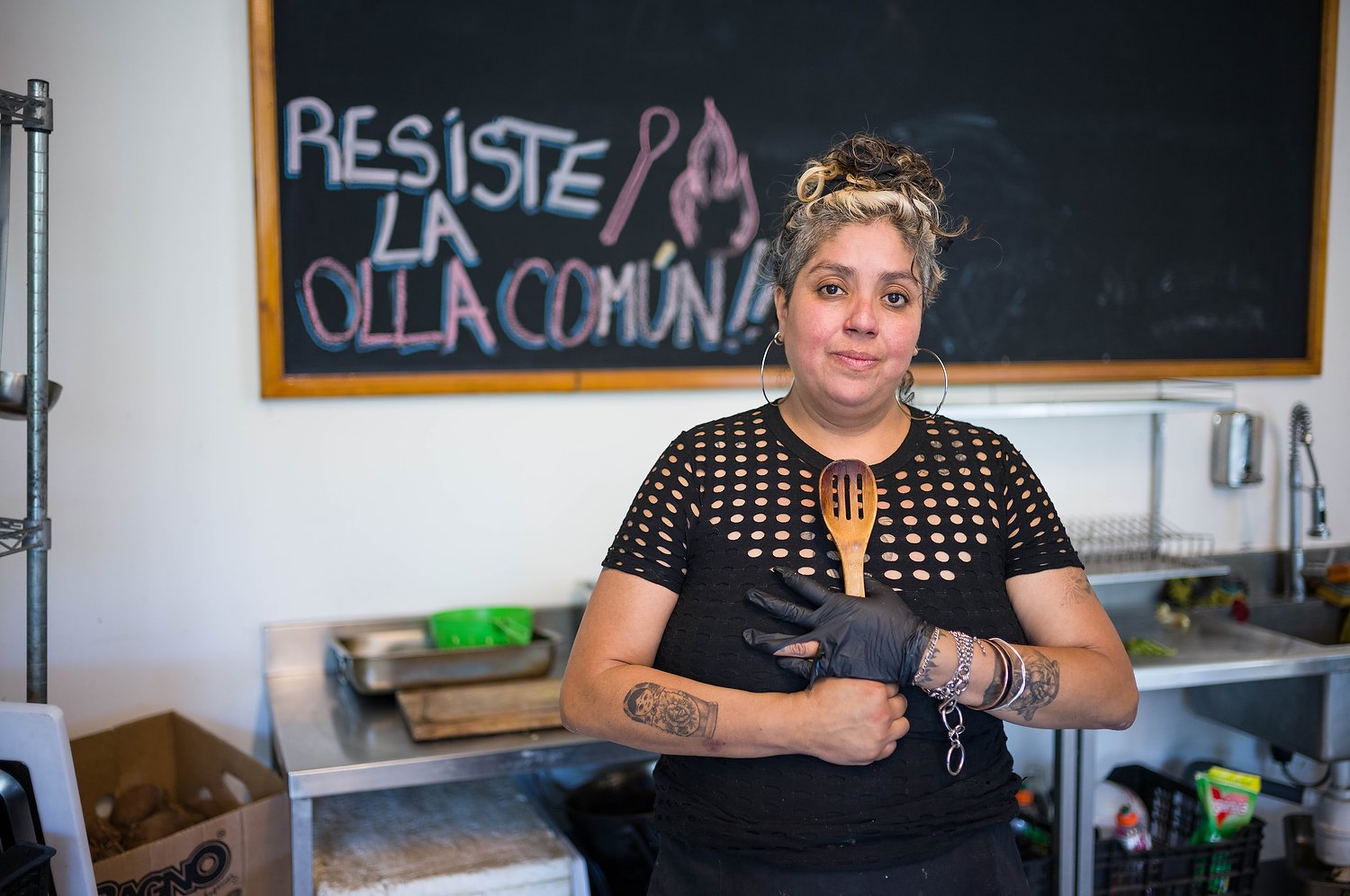
“I think they’re going to kill us,” says Victoria Guzmán, who runs the community kitchen Resiste la Olla Común in Cerro Cárcel — the former public prison in Valparaíso where, during the dictatorship, people accused of being communists or opponents of Pinochet were tortured, killed, and imprisoned. The building has since been transformed into a cultural center.
“I’m not worried that Kast is right-wing — Chile has had right-wing presidents before. The problem is that he is a fascist. We know it. They will come after us. They will divide society, making some accuse others, just as happened during the dictatorship,” added Guzmán, who as a child was detained and sexually abused by security agents during the Pinochet era.
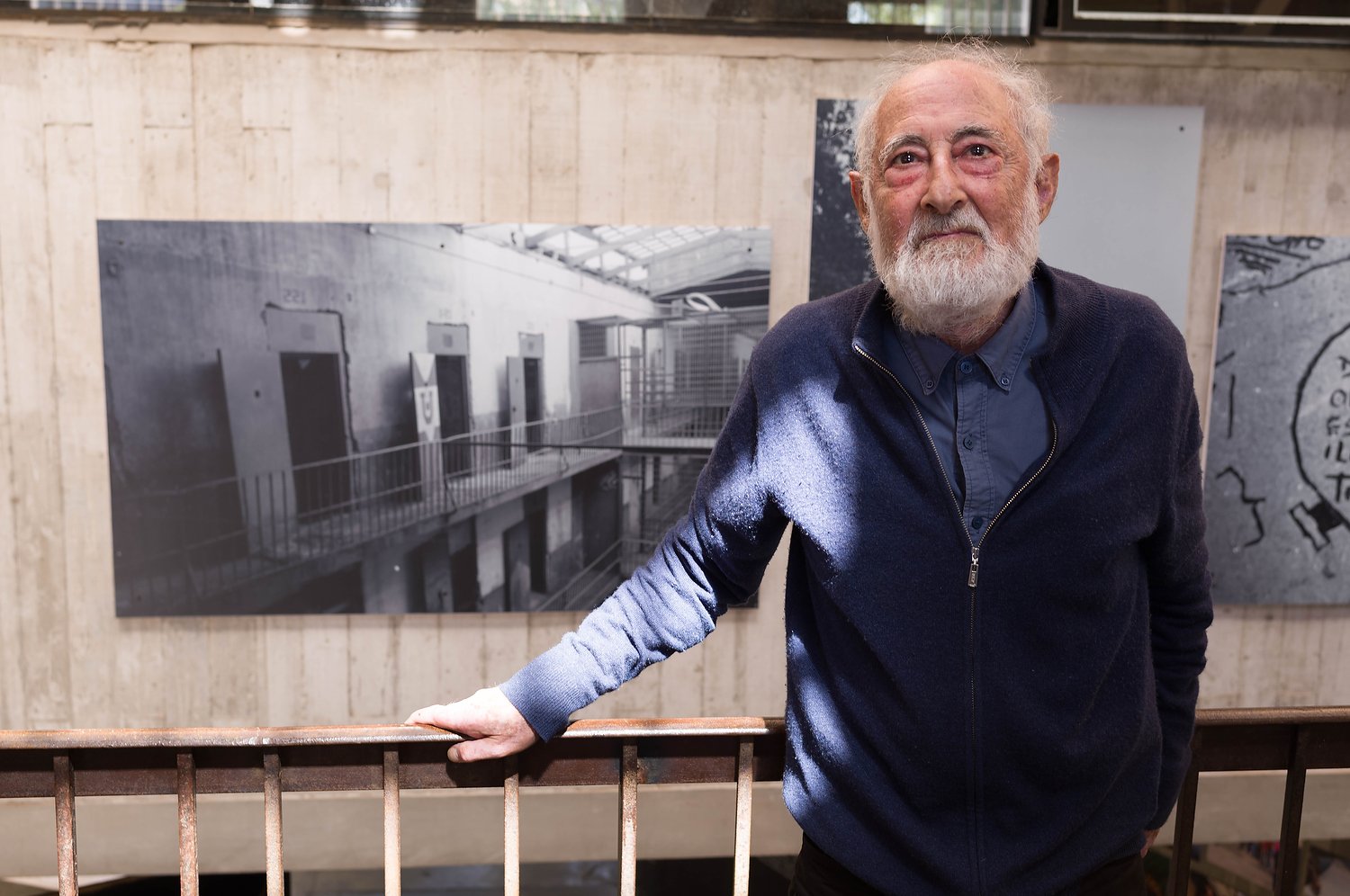
For Víctor Maluk, who describes himself as a social activist and survivor of the dictatorship, Kast’s victory “represents the most regressive elements of Chilean society, deeply rooted in the perverse dictatorship we endured.”
According to Maluk, Kast will put at risk anyone labeled as left-wing: “They will persecute us.”
Maluk, now active in anti-genocide advocacy regarding Gaza, believes Kast’s triumph is a consequence of the individualistic doctrine left behind by Pinochet.
The generations after the coup [against Salvador Allende] were forced to adopt an individualistic position, and the idea that any leftist stance was unpatriotic. It was a project — one that also permeates progressivism — telling young people that they are the sole owners of their future, without the need for community; that one can be an entrepreneur, and to do so, must compete with the person next to you rather than collaborate.
Víctor Maluk
In cafés, bars, and on social media, young people who did not vote for Kast discuss the need for progressive self-criticism, but also what comes next. Some in Valparaíso speak of protests on the very day Kast takes office. Others argue that the response should be different — through art and communication, the Achilles’ heel of the left in this election.
A WhatsApp chain circulates with seven recommendations from the collective Clinical Psychology and Resistance on how to “survive an ultraright and ultraconservative government.”
The first reads: “Denial numbs but does not protect. Recognizing democratic backsliding, threats to rights, and a climate of hostility is the first act of psychic care. Putting words to it helps organize fear and avoid confusion.” The second calls for “caring for mental health as a political act.”
Chile has been a reference point not only for brutal state repression but also for the strength, persistence, and ingenuity of its resistances. According to sociologist Jorge Rueda, “laughter was part of socio-popular practices during the Pinochet dictatorship. It became a way of representing life meanings and forms of resistance.”
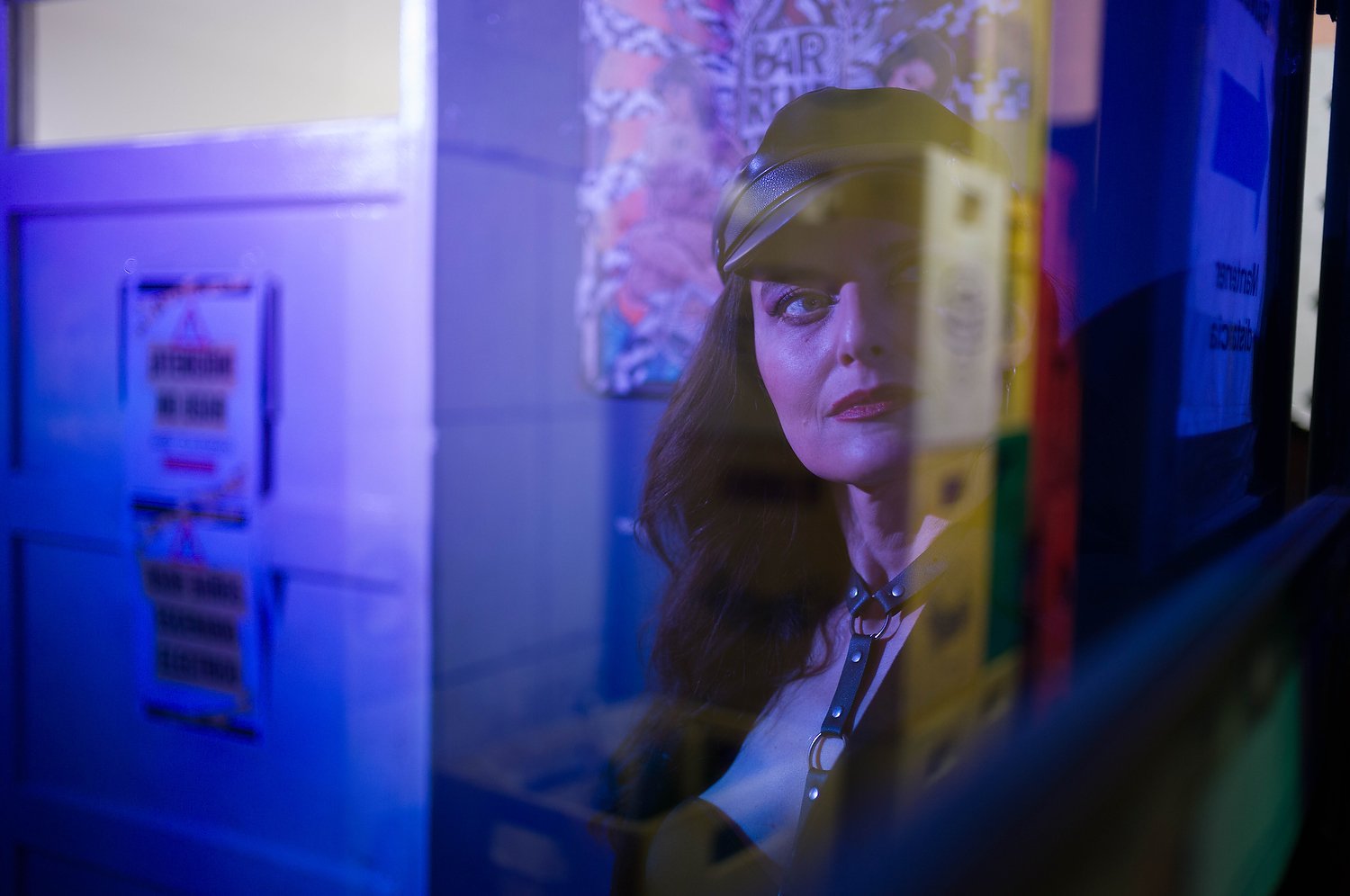
Whether or not they have read Rueda, the young people at the legendary Bar de René — where some of Chile’s most emblematic bands once performed — receive the threatening far-right victory with concern, but also with laughter, humor, deep conversation, and a strong sense of community.